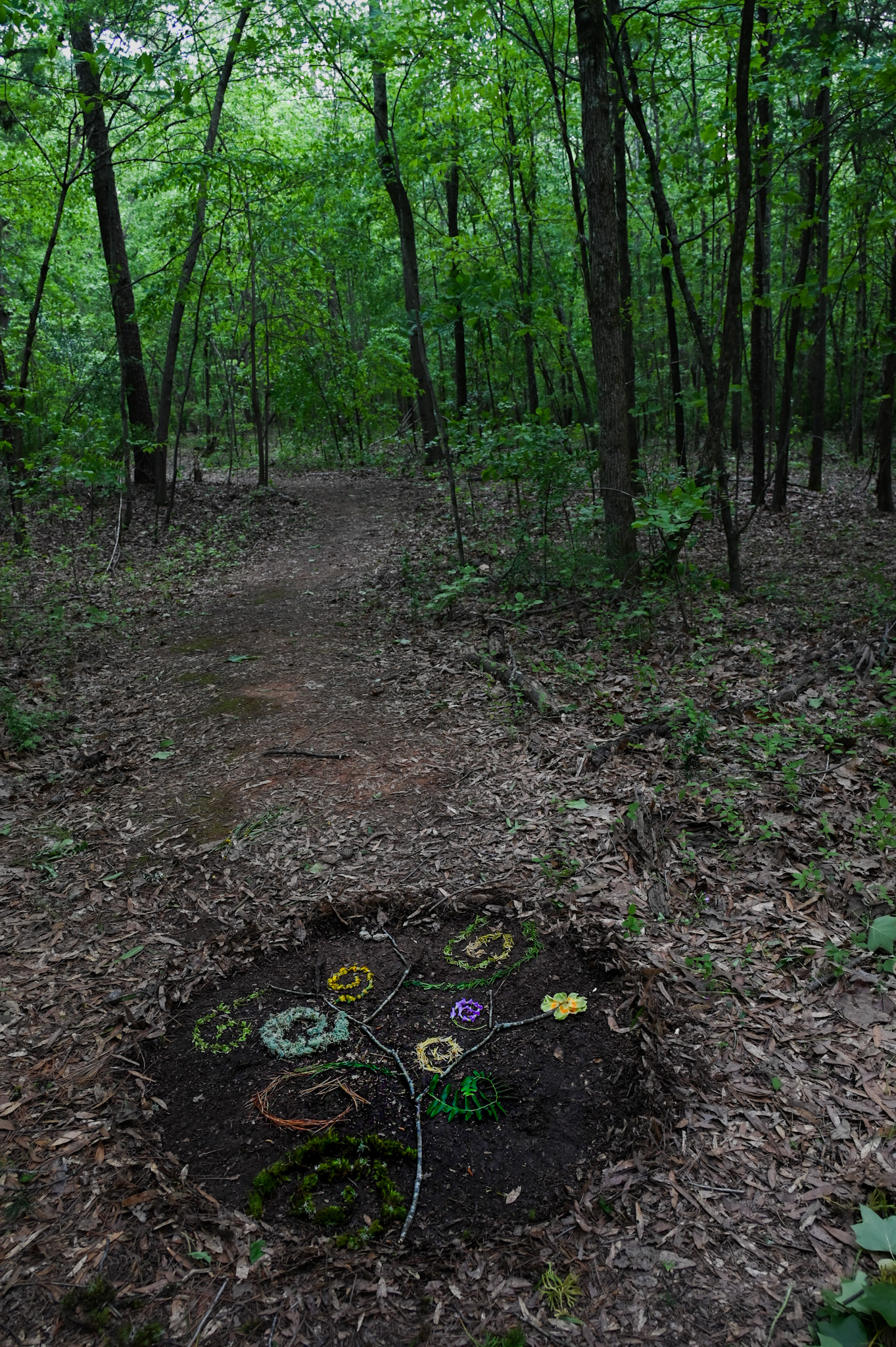
A COLLABORATIVE PIECE OF EARTH ART HANDMADE FROM NATURE BY ELLA DITTMER AND NATALIA DASCOMBE
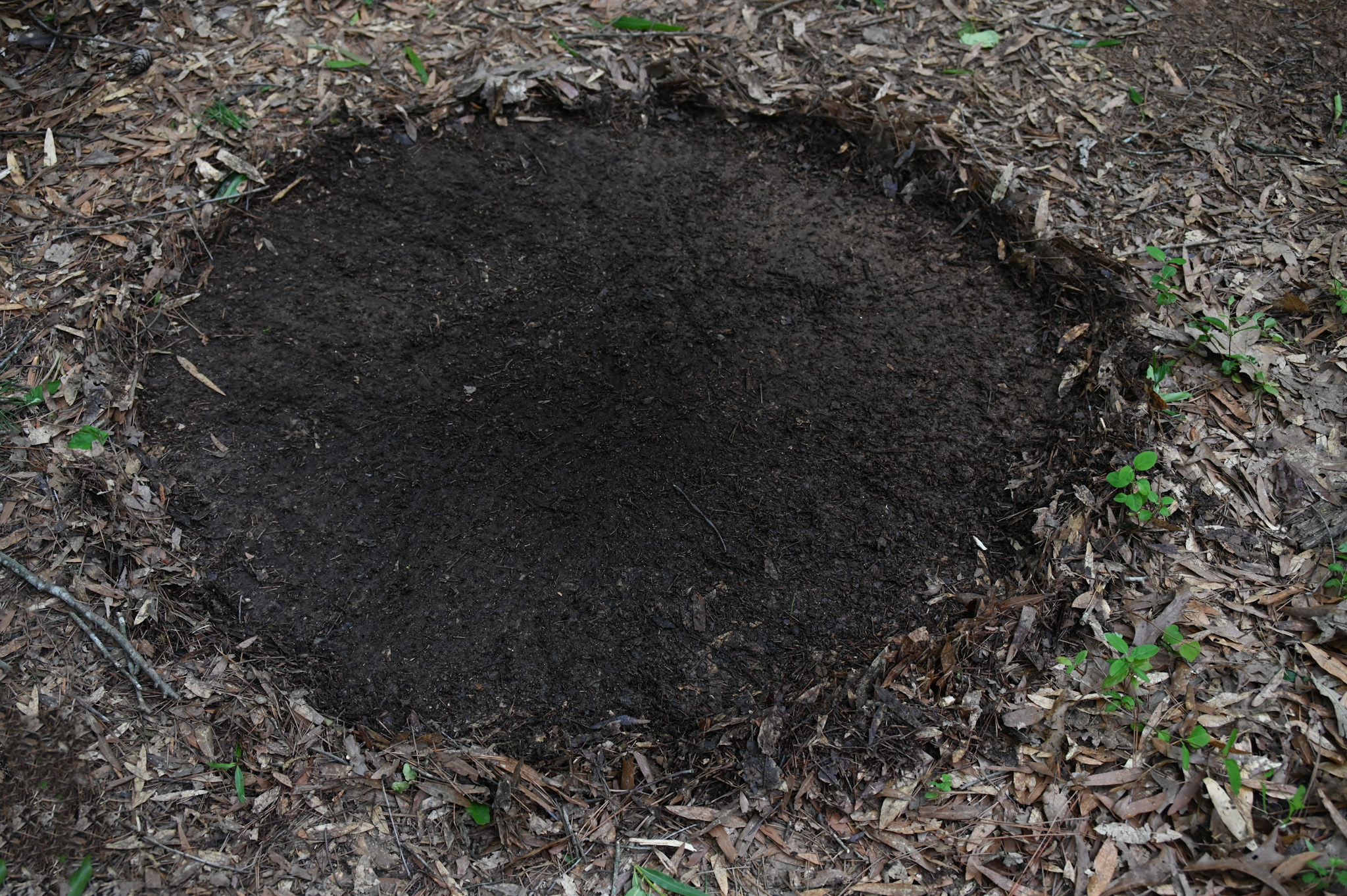
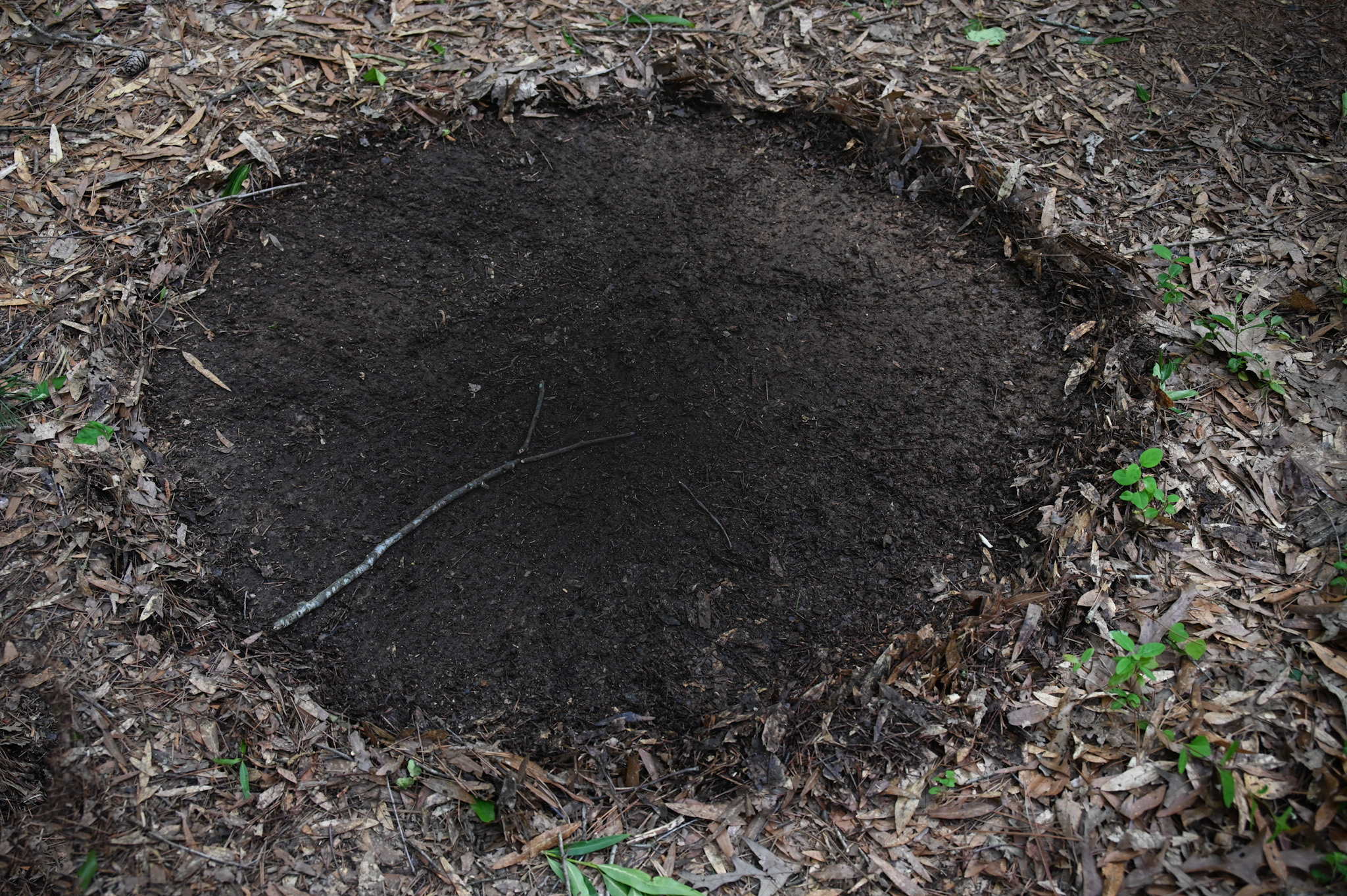
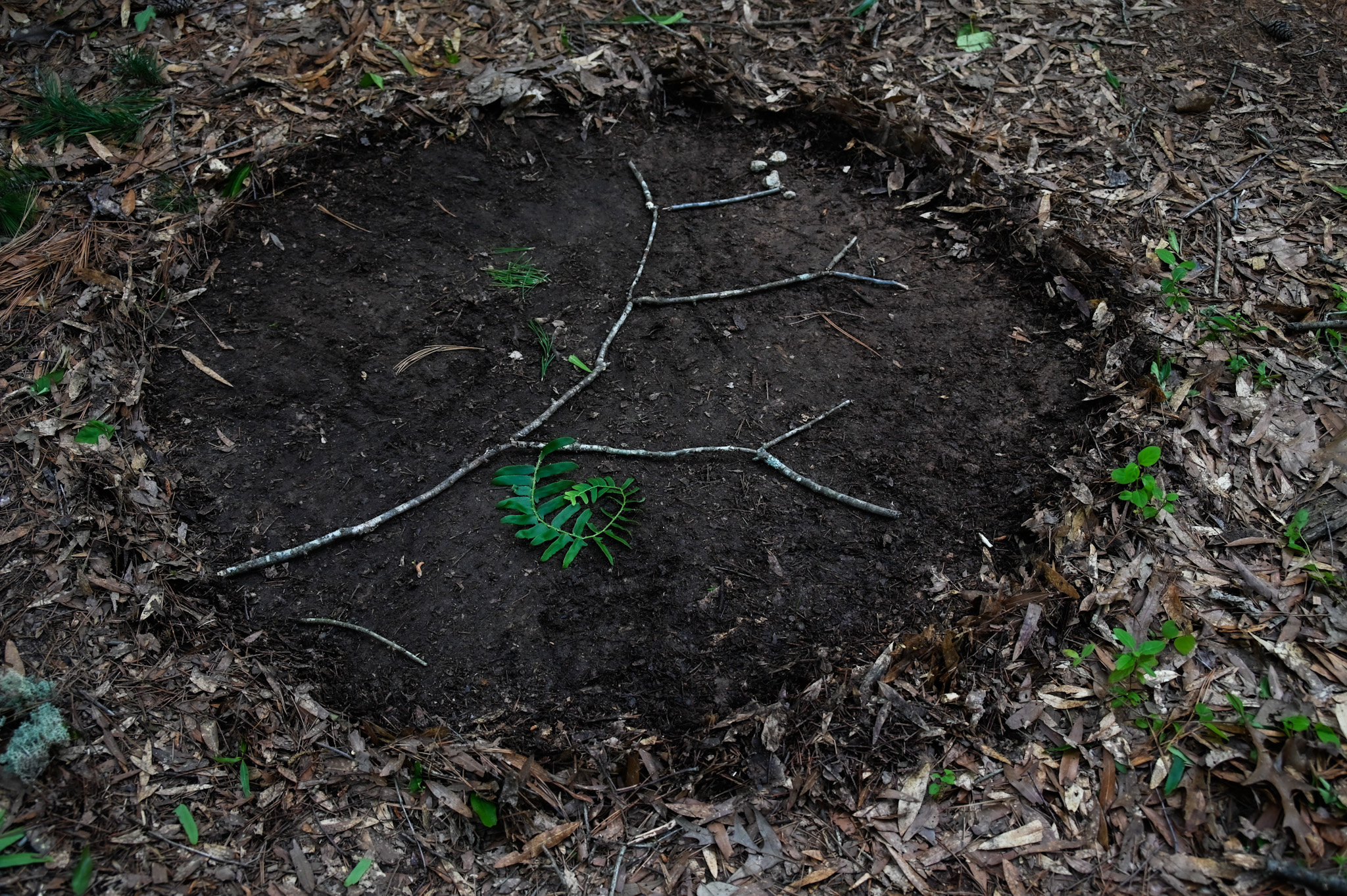
STARTING POINTPROCESS OF MAKING THE EARTH ARTINITIAL TREE CREATION FROM TWIGSFRACTAL CREATION FROM NATUREFRACTAL NO. 1FRACTAL NO. 2FRACTAL NO. 3FRACTAL NO. 4FRACTAL NO. 5FRACTAL NO. 6FRACTAL NO. 7FRACTAL NO. 8FRACTAL NO. 9FRACTAL NO. 10SILENCED VOICES & PATHS DEPICTED IN STICK COVERED IN MUD, UNSEEN AT FIRST BUT PRESENTFINISHED PRODUCT: FRACTAL FORKING PATHS
ARTIST WRITE UP
By Ella and Natalia
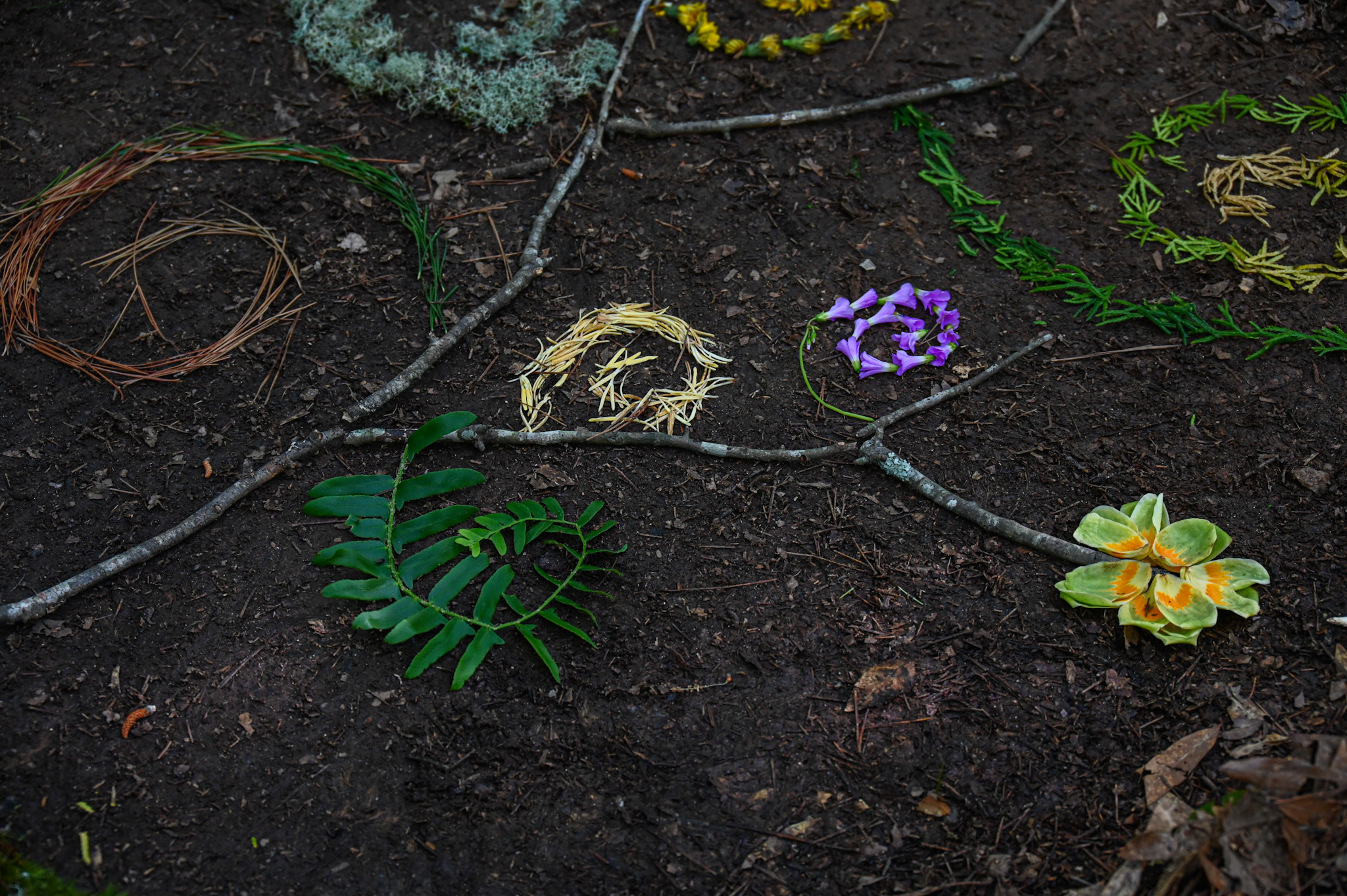
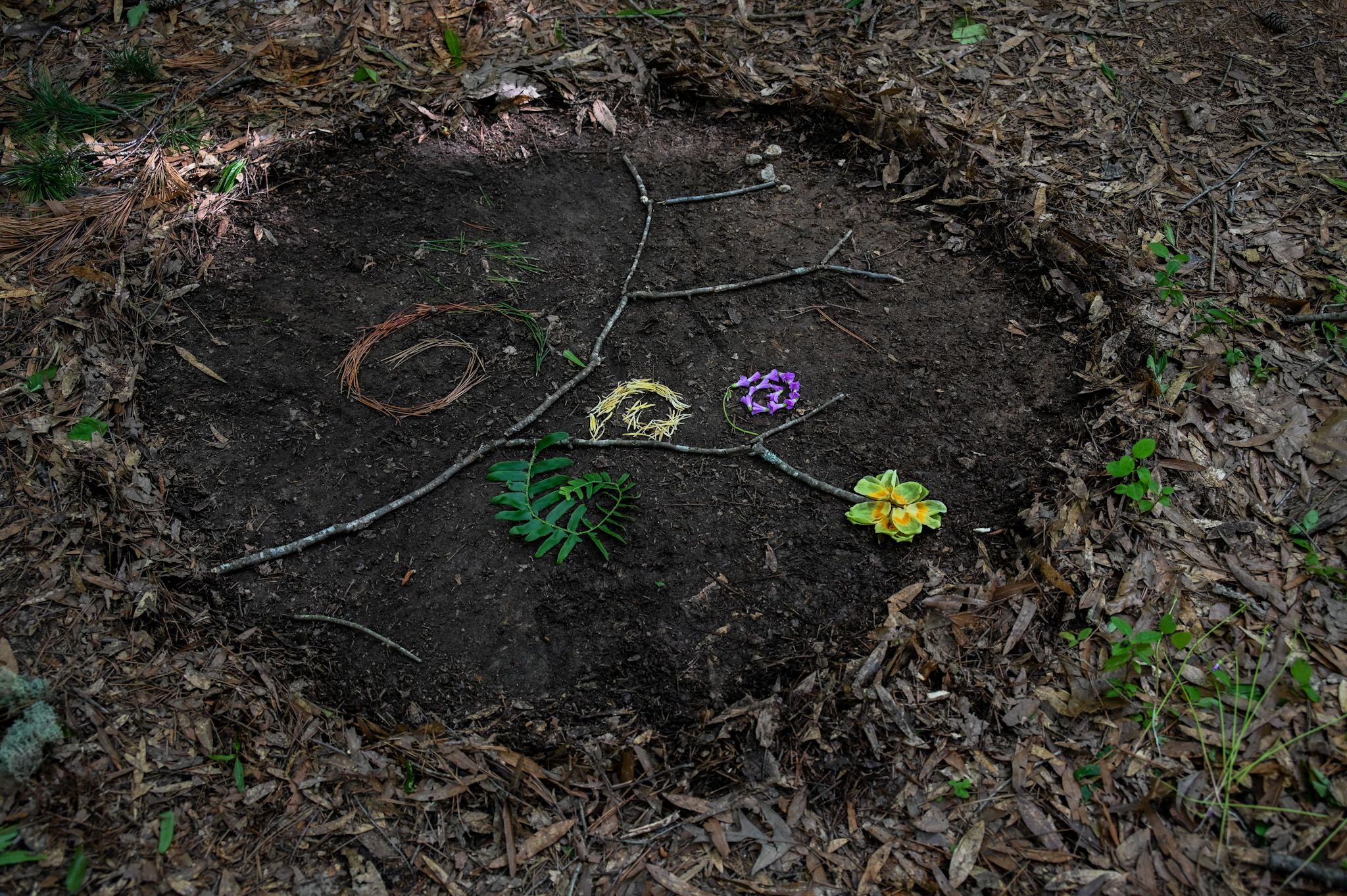
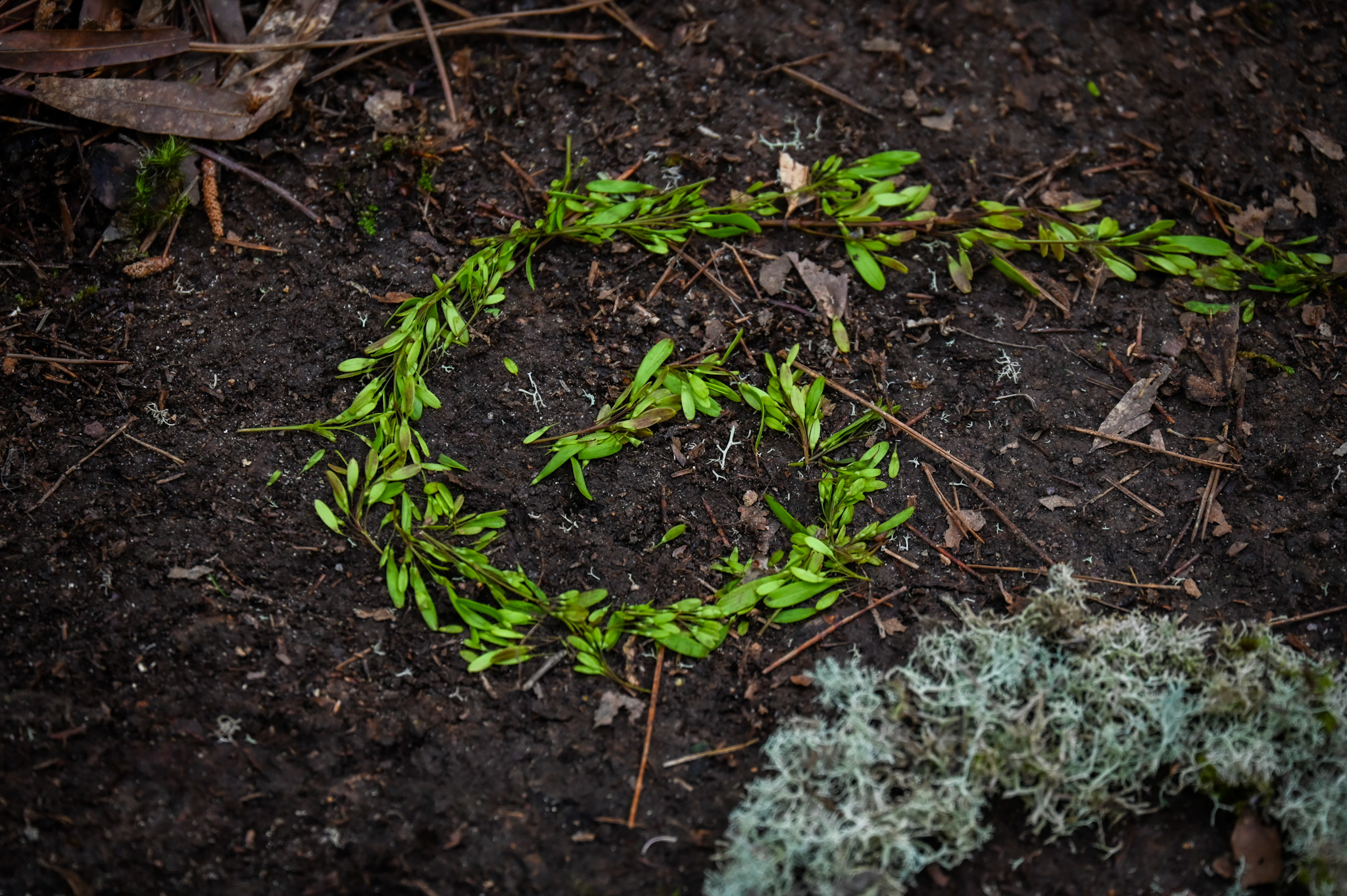
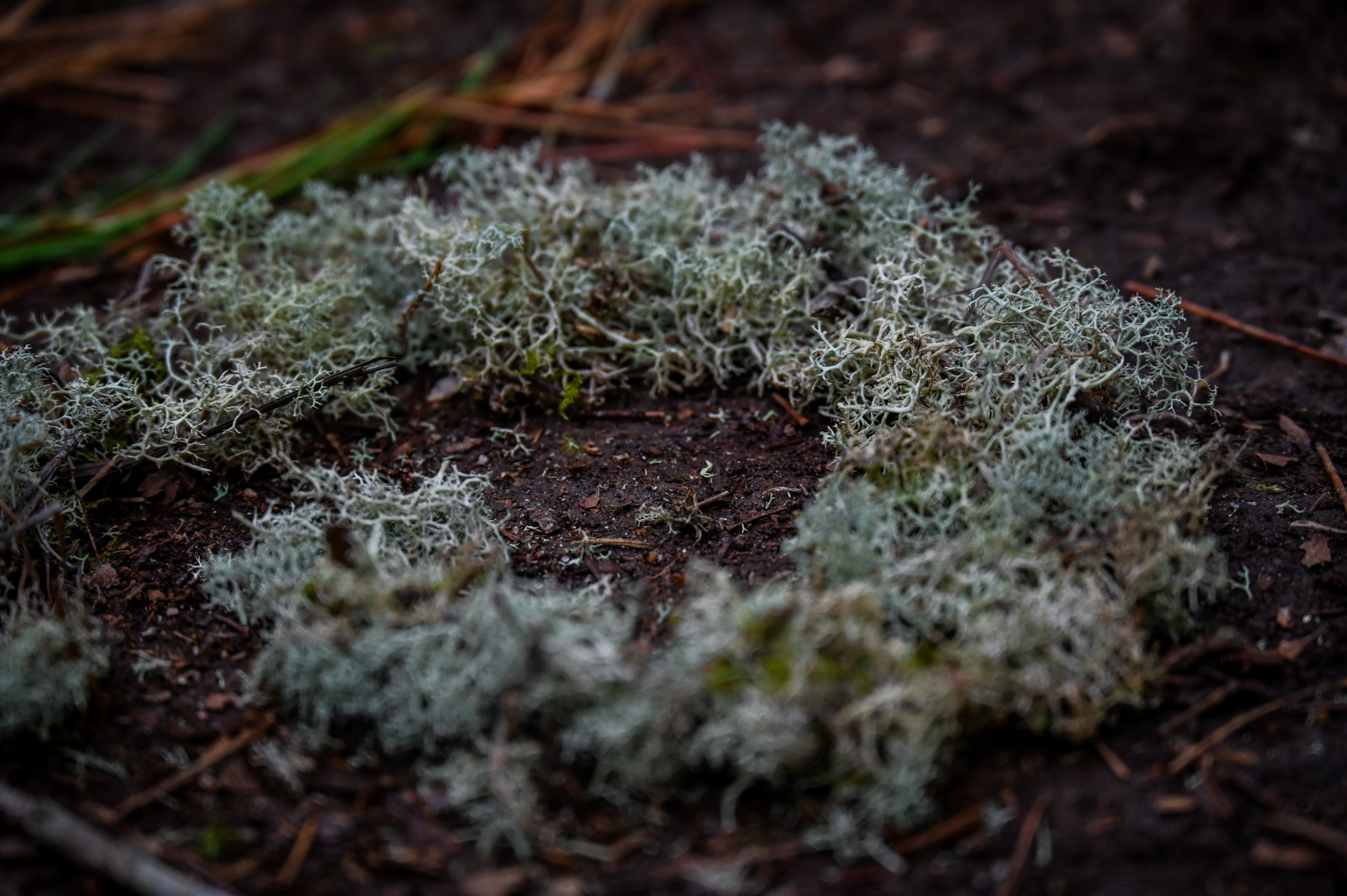
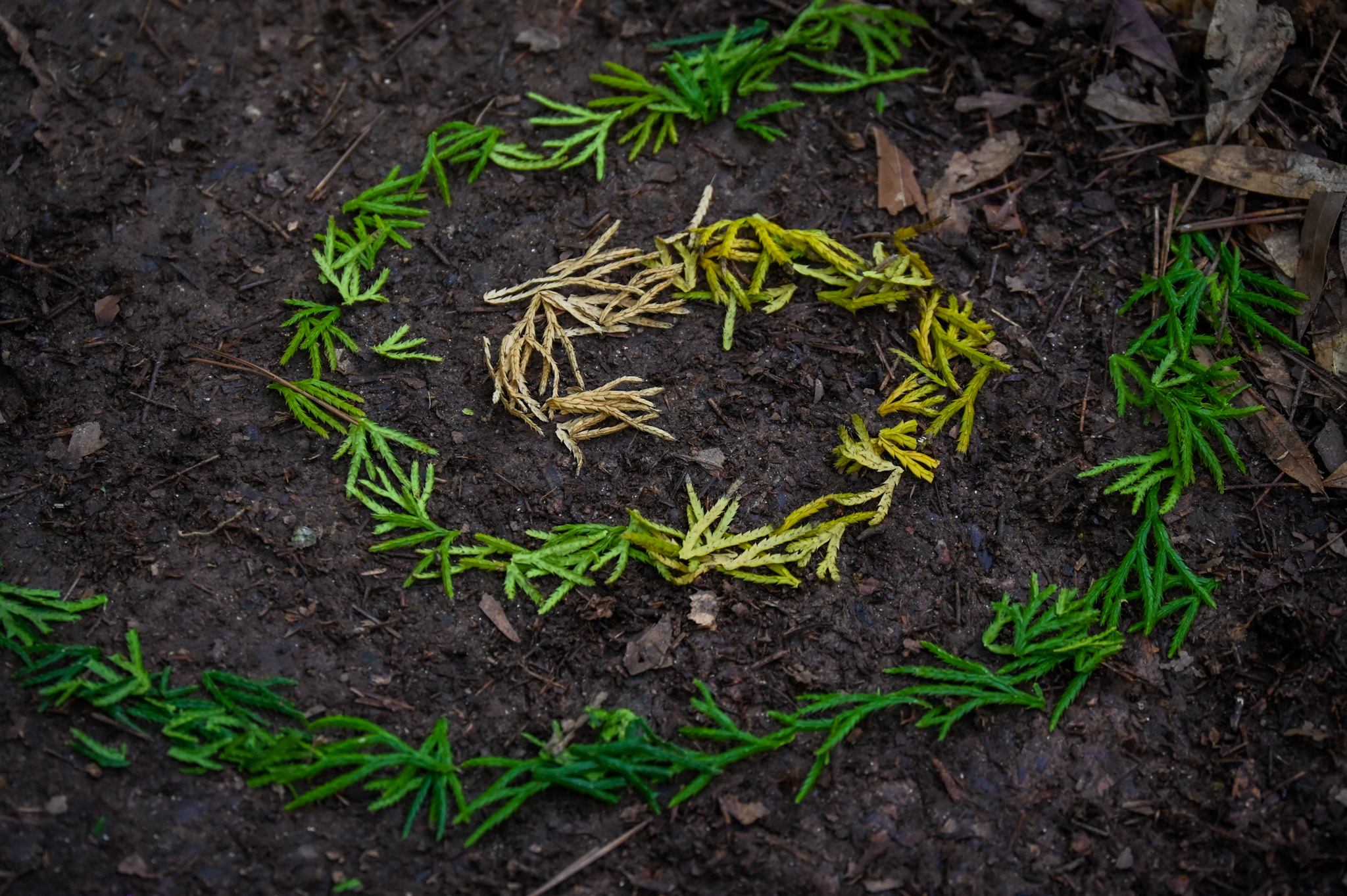
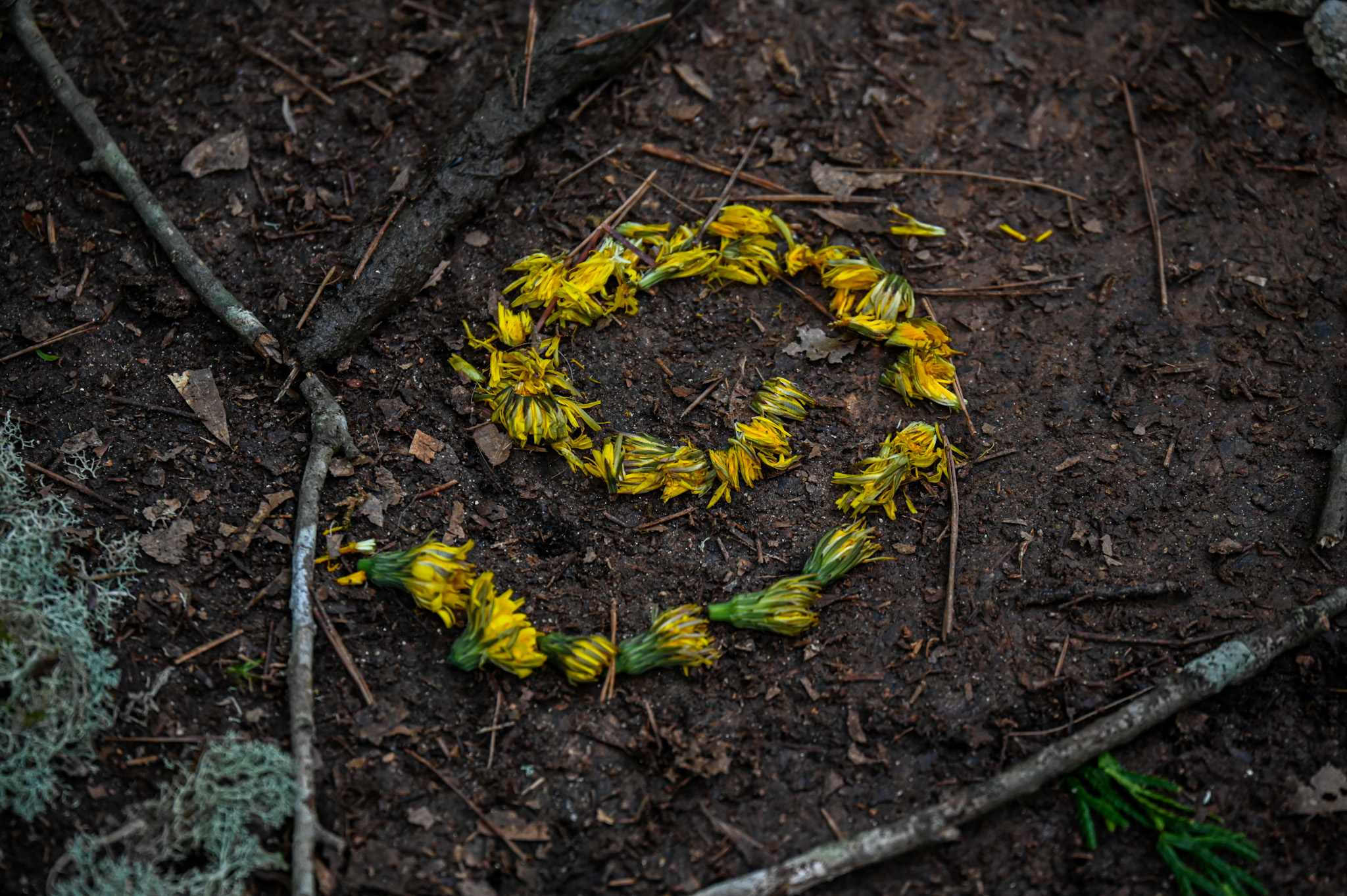
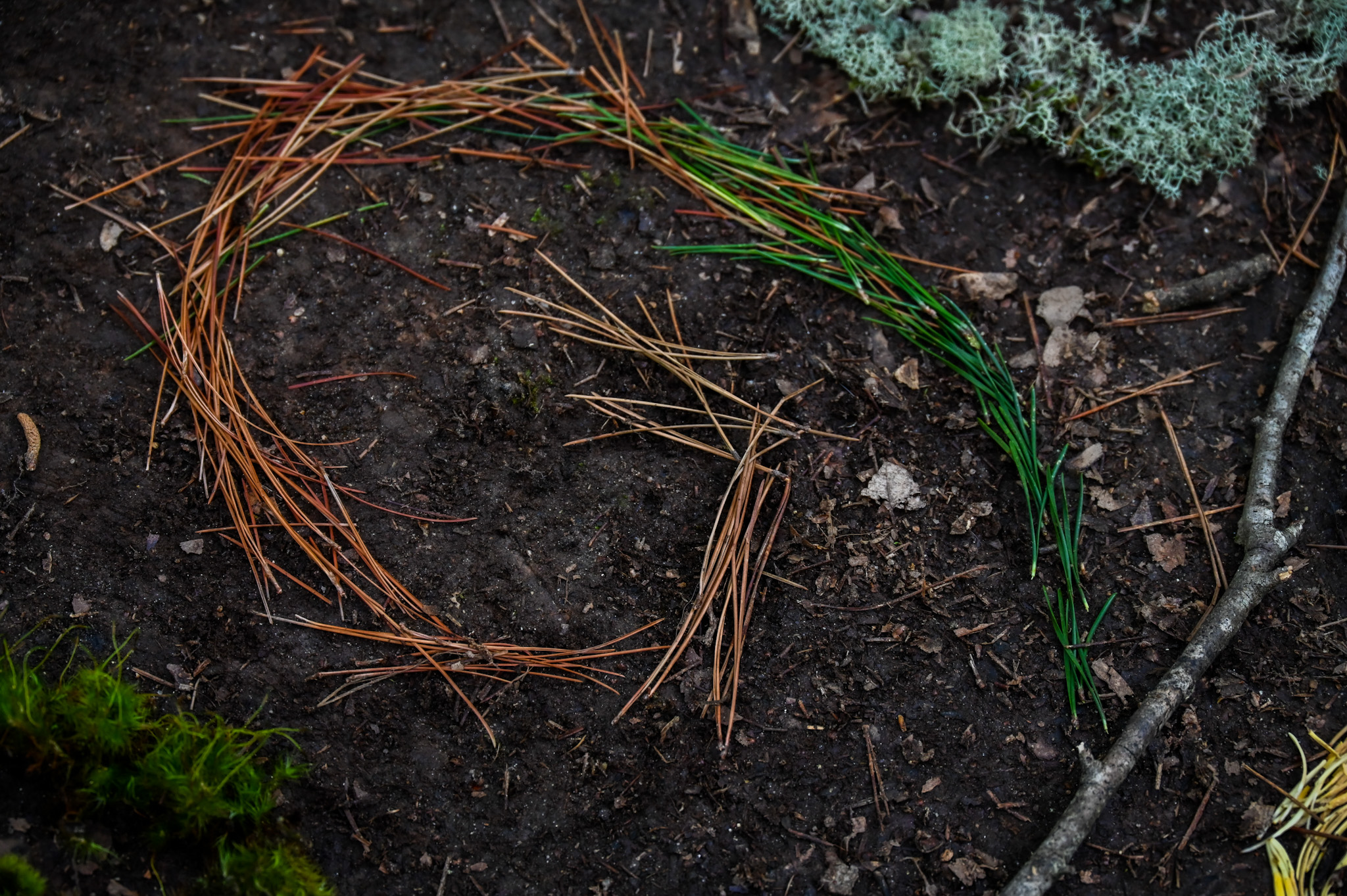
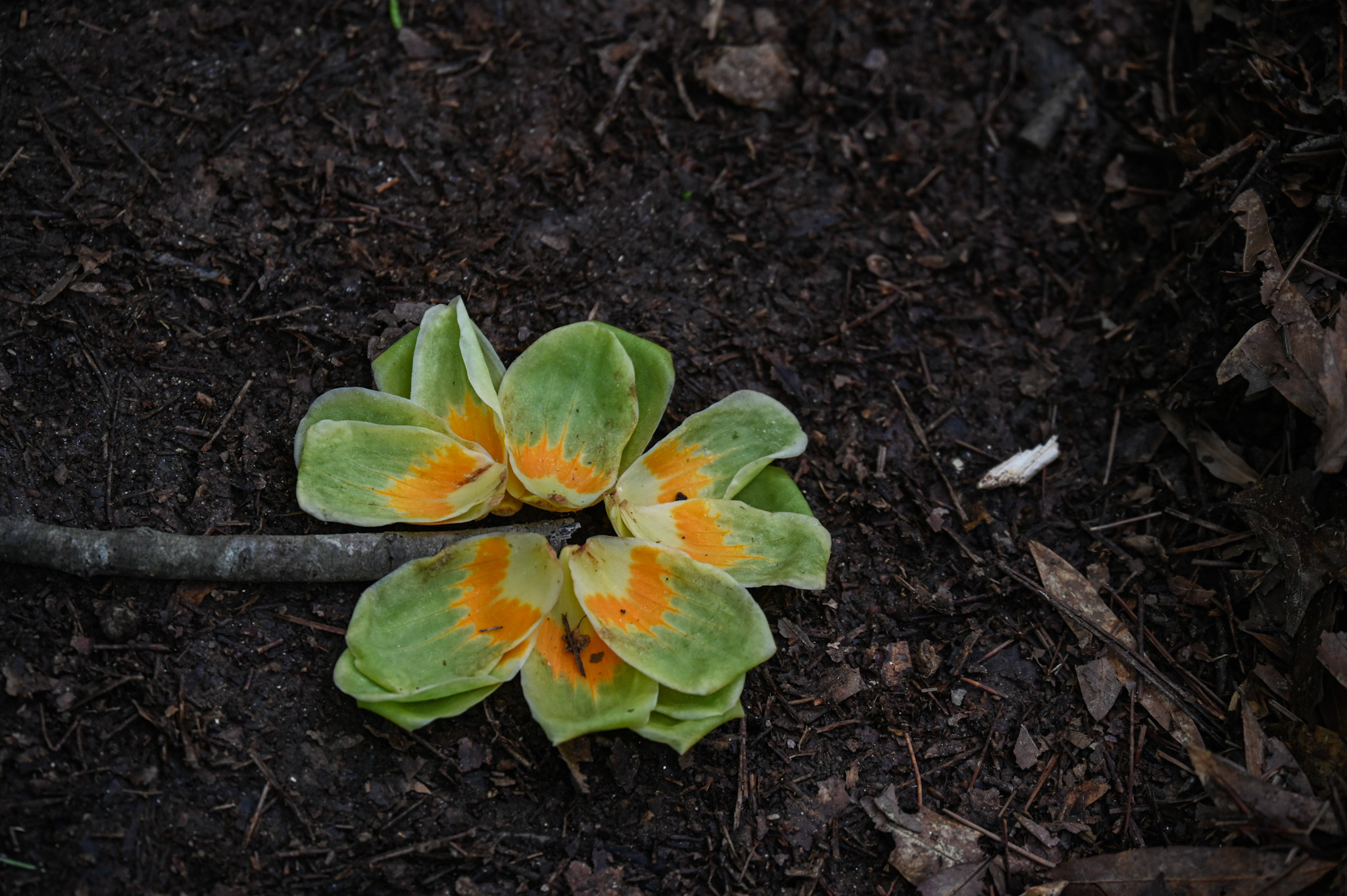
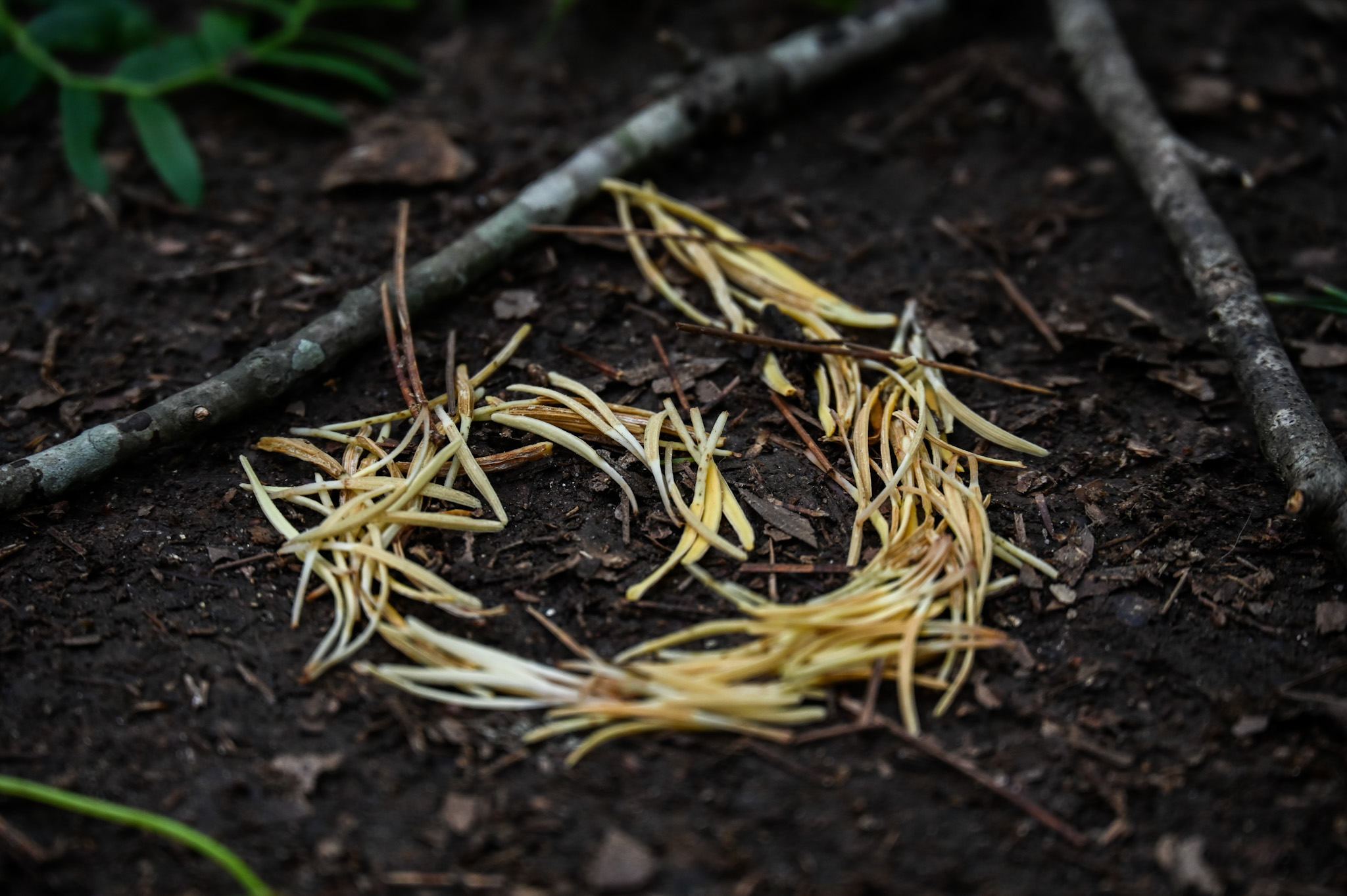
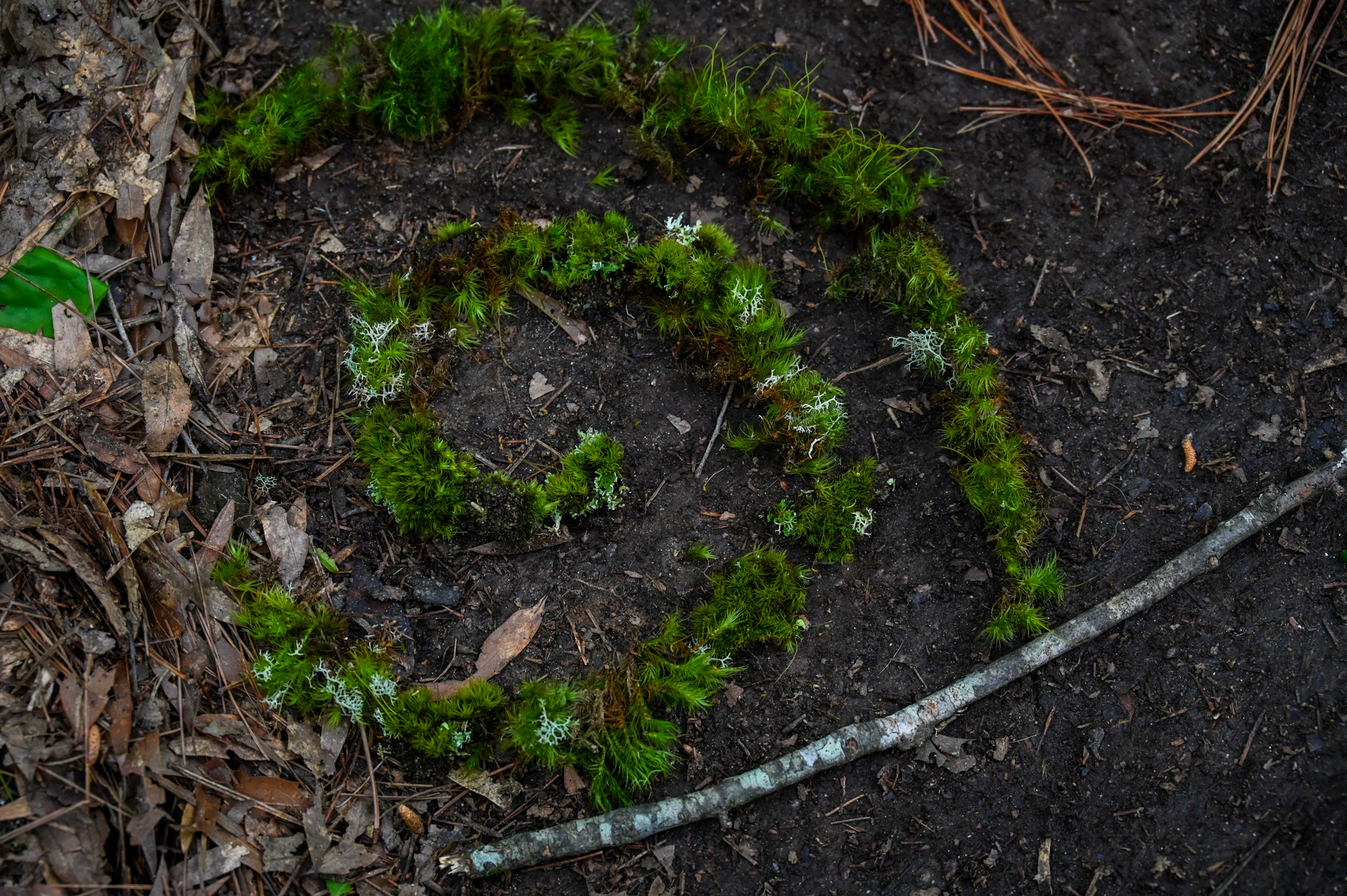
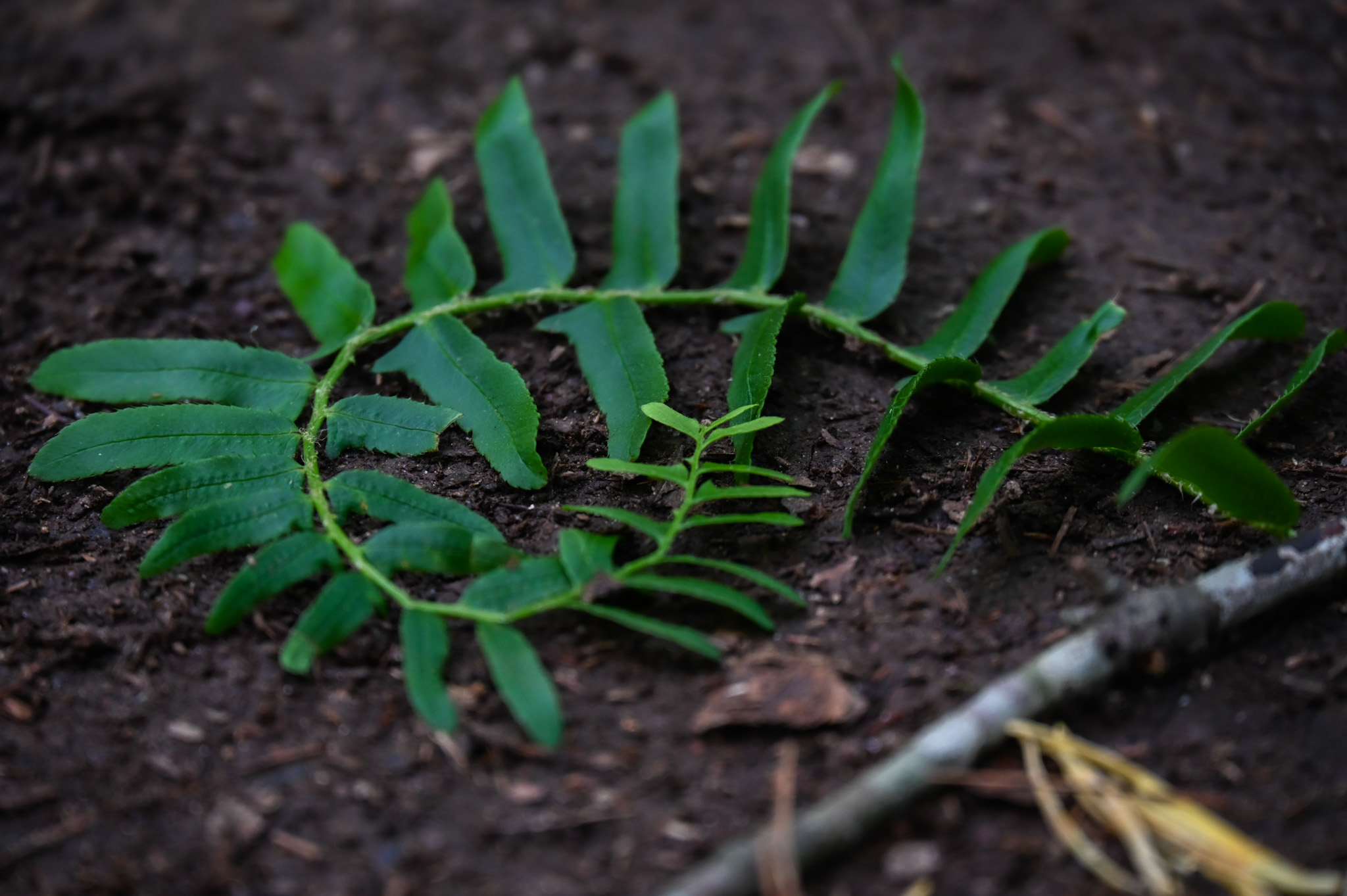
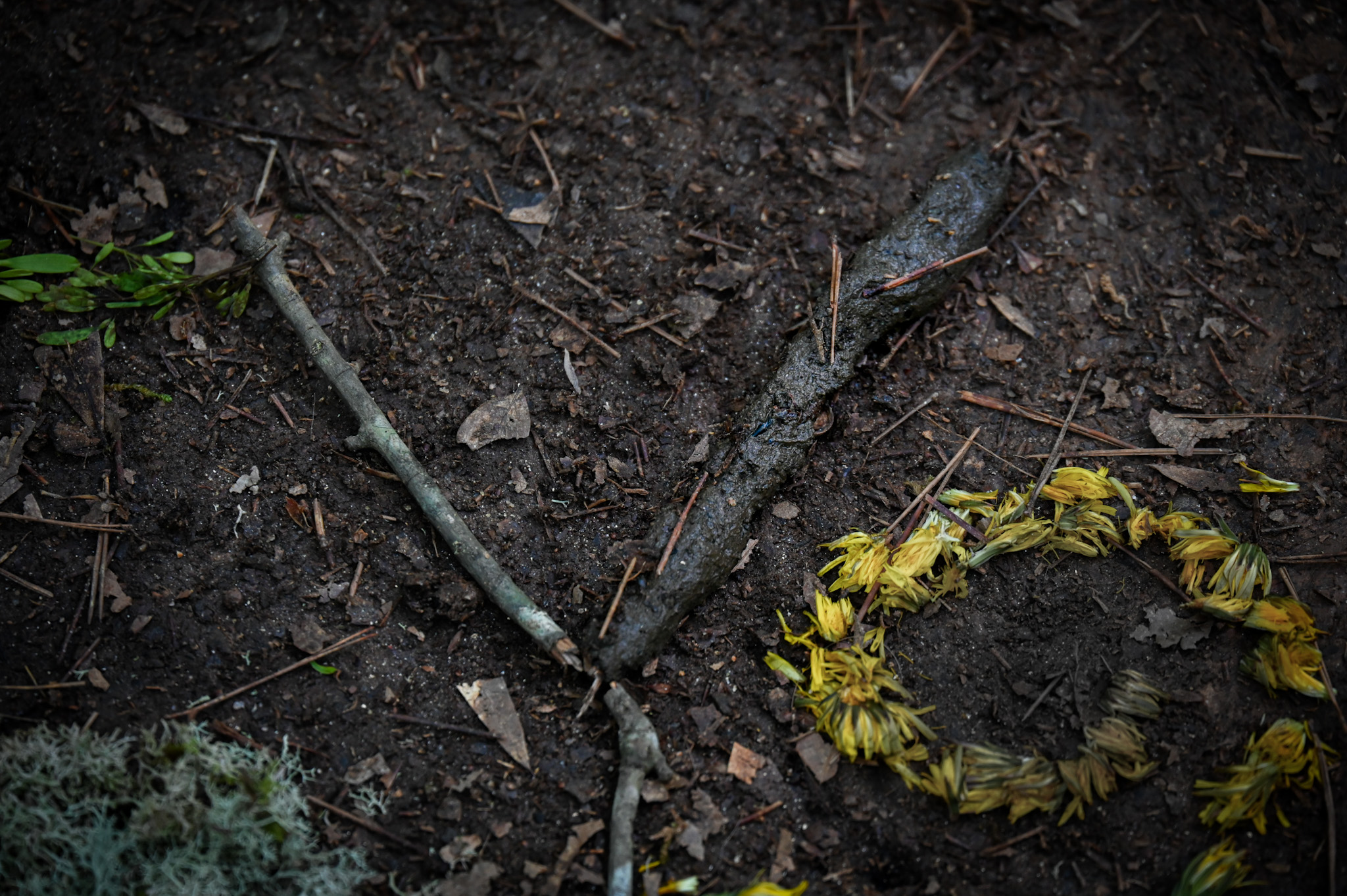
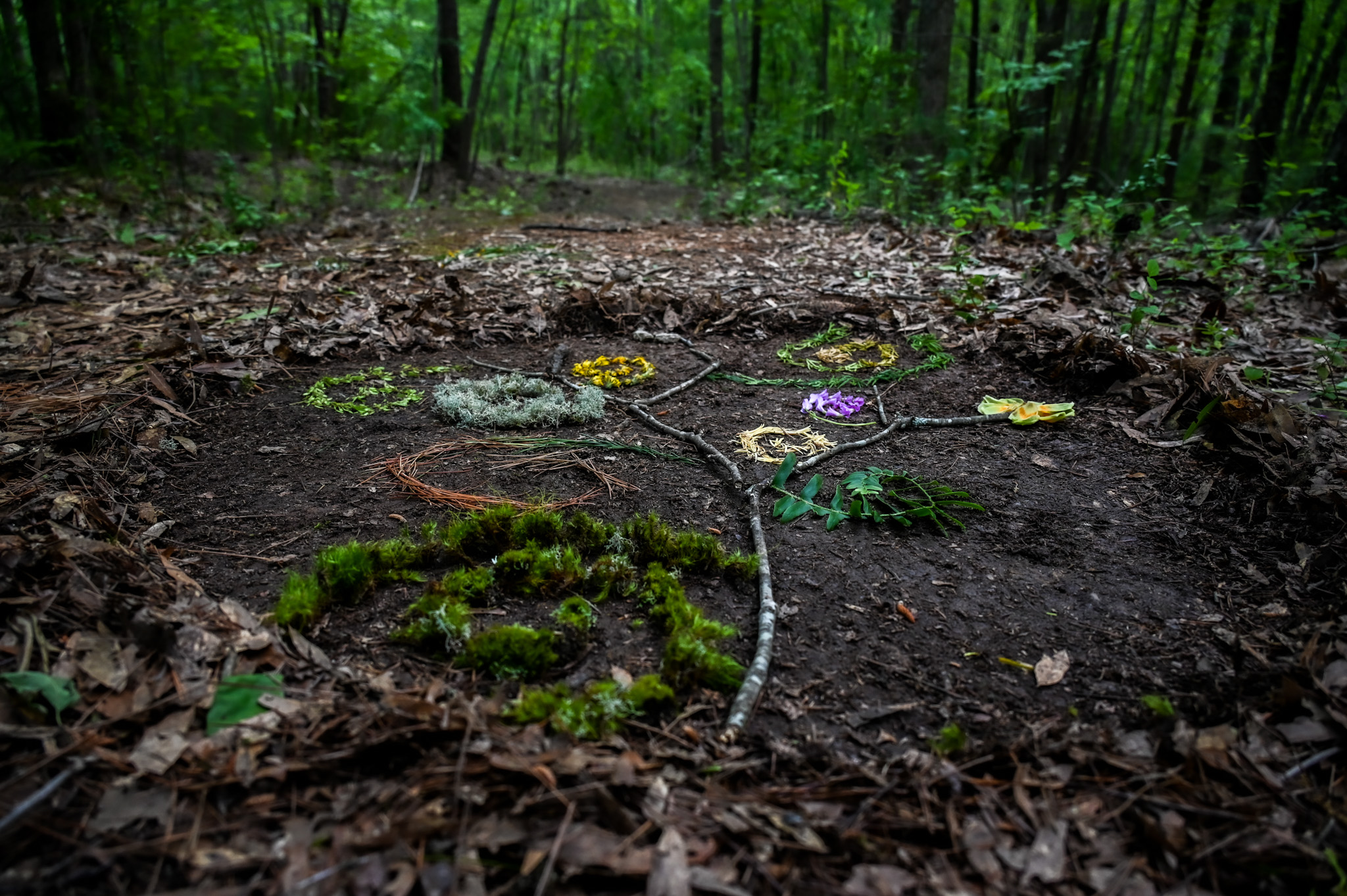
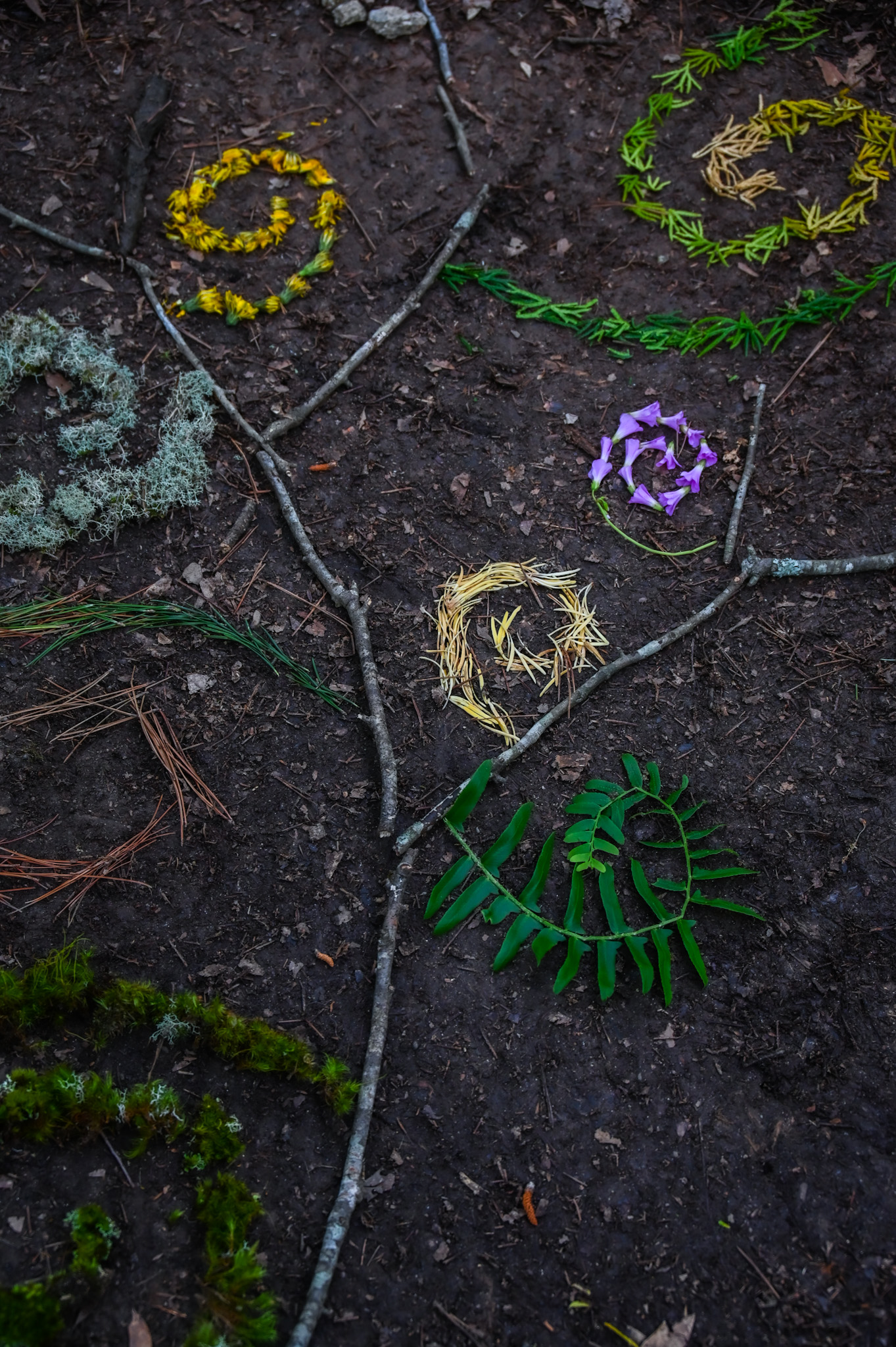
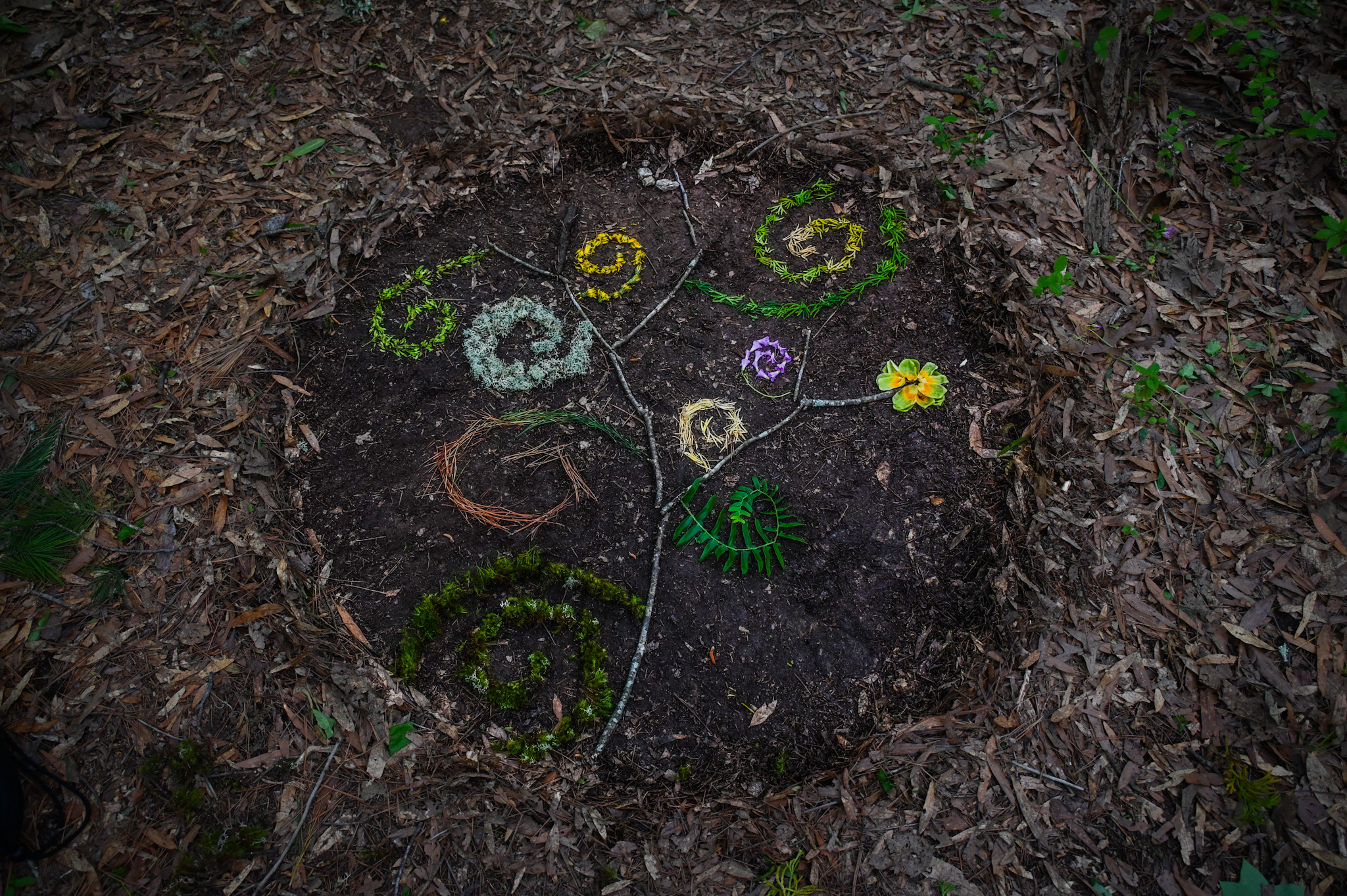
When we set out, all we knew was that we wanted to focus on time. Ella’s theme is trees, and Natalia’s theme is sublimity, so we figured a piece on the repetitive, branching nature of time would allow us to merge our themes. We started by walking through the woods and gathering any materials that caught our eyes. As we passed flowers, ferns, and lichen, inspiration struck and we began to visualize our final design. The design itself is a glimpse into time. The branching stick paths emerge from the ground on one end, before descending into the ground on the other. Time is unending. The even, but slowly curving sticks emulate the fractal tree, an object found both in nature and mathematics. Each spiral branching off the tree of time continues the fractal pattern, but with a different material. These changing materials represent the relativity of time, as all beings experience time differently. In addition to using spirals for their self-similar nature, we wanted to show a few of the metaphors for time we discussed in Humes. As we discovered with Dr. Robb at the beginning of the semester, it is impossible to assign a rate to the passage of time, or even to describe its flow, though many works have tried. Western time is often thought of metaphorically, using rivers or timelines (Taylor 85). These descriptions of time are very linear, moving from the past into the future. Hugo Ka Canham describes the Mpondo theory of time as cylindrical epiphenomenal temporality, where the past, present, and future exist simultaneously (17-18). Time is also portrayed as circular in many of the Humes works, from Sundiata: An Epic of Old Mali to Black is King. We tried to incorporate as many of these views of time as possible into our work, which is why the branches are linear and the other materials are spiraling or circular. Finally, we covered one of the stick paths with mud, to represent the silences in time. As Michel-Rolph Trouillot explained, event happenings and retellings leave many silences. Our muddy, almost hidden stick reflects these silences.
	Finally, the nature of the work itself is a commentary on time. Our work, like most earth art, is ephemeral. Unlike the disruptive, unchanging works of many sculptors and land artists, earth art disappears easily. The fleeting nature of the work shows the impermanence of life. As time moves on, everything changes and eventually falls apart. Though we made an impact on the environment by creating this work, our impact is ultimately small. Similarly, time is forever changing, making our experience in time fleeting.