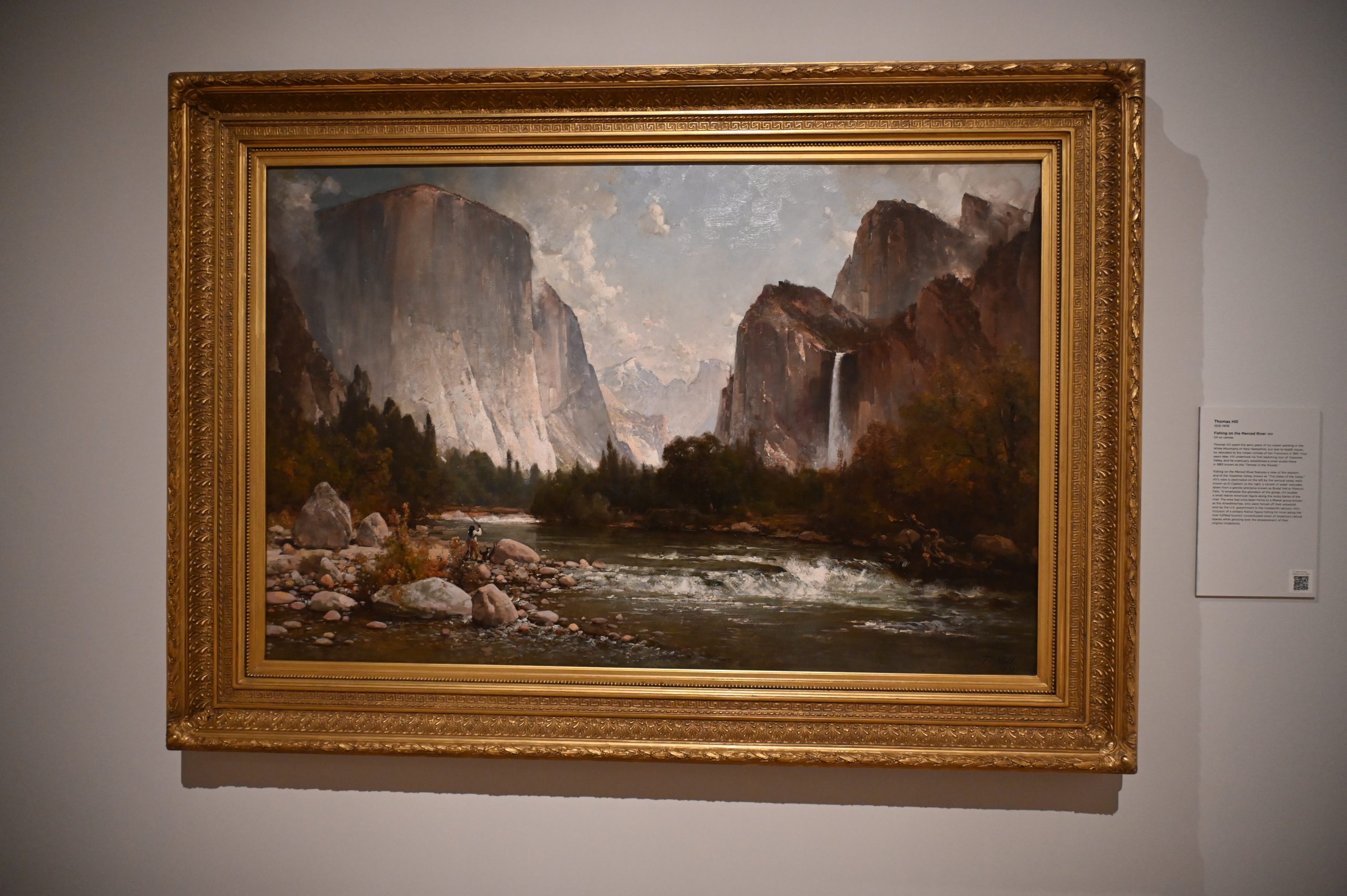
In this campus commentary I will be talking about my experience in the Mint Museum, which is located in uptown Charlotte. This facility full of collections of European and American contemporary art displaying various forms of culture, innovation, and beauty through art. In relation to the theme of my portfolio, the sublimity of nature, out of all the inspiring and engaging, I will be interpreting and analyzing four of these works of art.

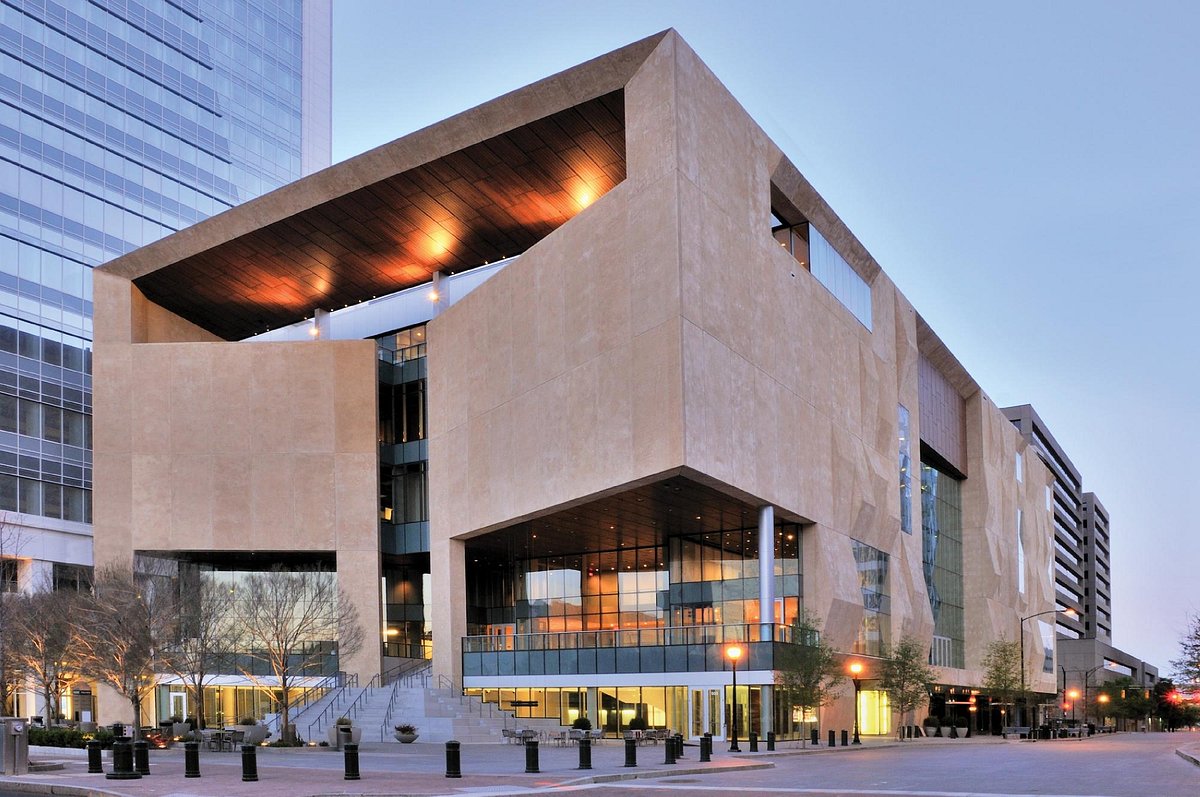
    First, (refer to image 1 below) Josh Simpson’s “Verdant Ceres”, known for his unique glass orbs, which he calls Megaplants, are inspired by the changing appearance of the sky and of planets viewed from space. Each orb begins with gathering the sticky gob of hot glass and putting it into a furnace on the end of a pipe. It is carefully smoldered into a sphere and then rolled across small pieces of colorful glass and metallic foil. Simpson seems to have adjusted elements on the surface using tweezers and a torch and this process is repeated until it reaches the desired size. Finally, the structure is cooled in a kiln for up to forty days. His connection to planet Earth and its natural features is greatly influenced by his wife who was an astronaut, as he was inspired by her to create this artwork using ancient techniques.

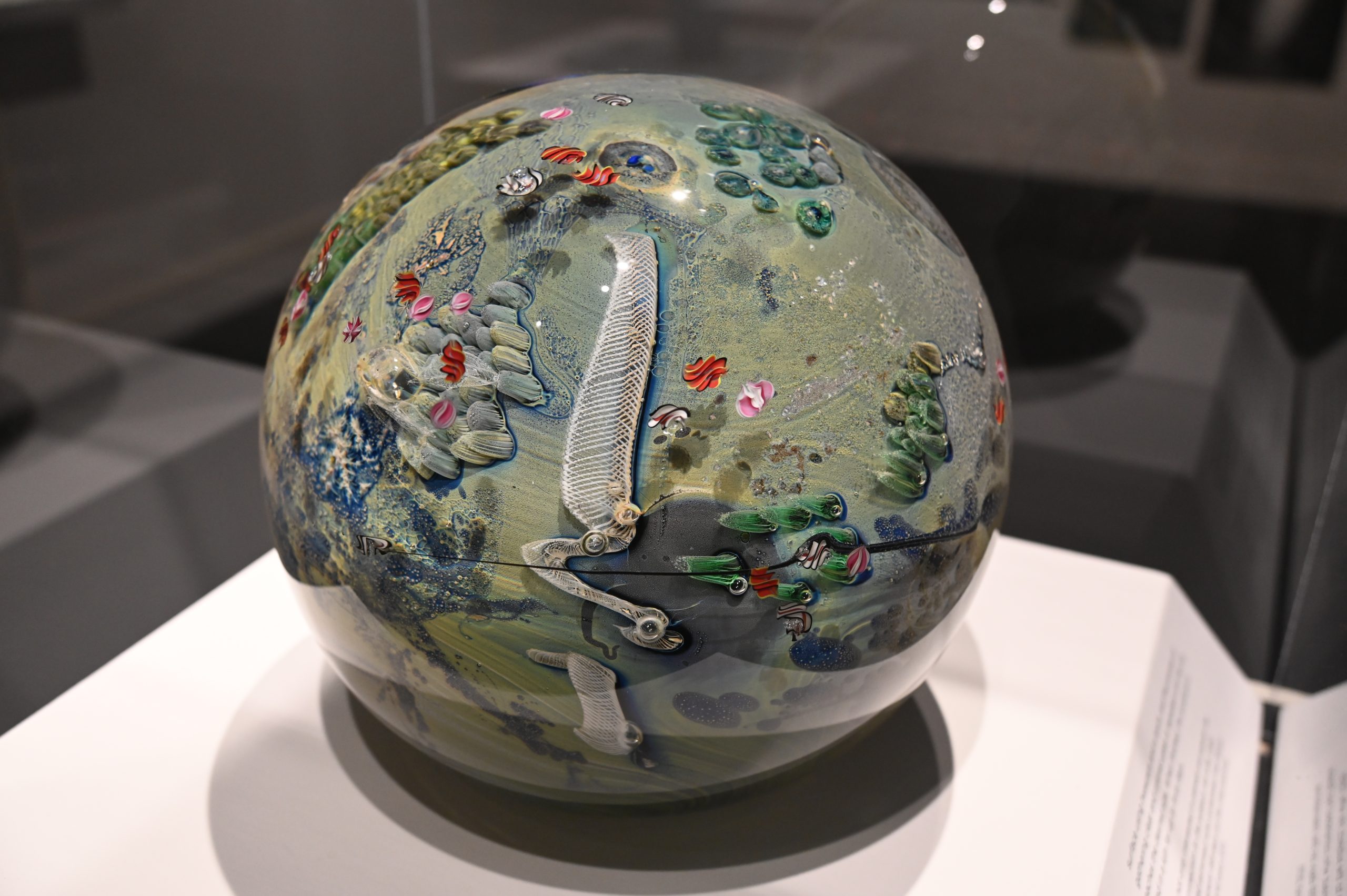
    The next piece of art, an oil painting named “Rocky Coast” (refer to image 2 below) is a painting from William Trost Richards of the Rocky Coast in Maine. Although he didn’t start painting seascapes until later on in his life, this growing interest and connection to nature reflected his paintings from communities along the Atlantic seaboard in the years following the Civil War, as an escape from the hardships caused by that. Therefore, the coast of Maine and popular places nearby like Newport and Nantucket offered a therapeutic reprieve from the stress of modern life and sparked a celebration of the rugged coast of Maine along with many other places around the US. As seen on his painting, the white caps on some of the waves represent the ongoing stress from the war coming in and then going out, being washed away by nature, in which Richards could relate from along with his audience.

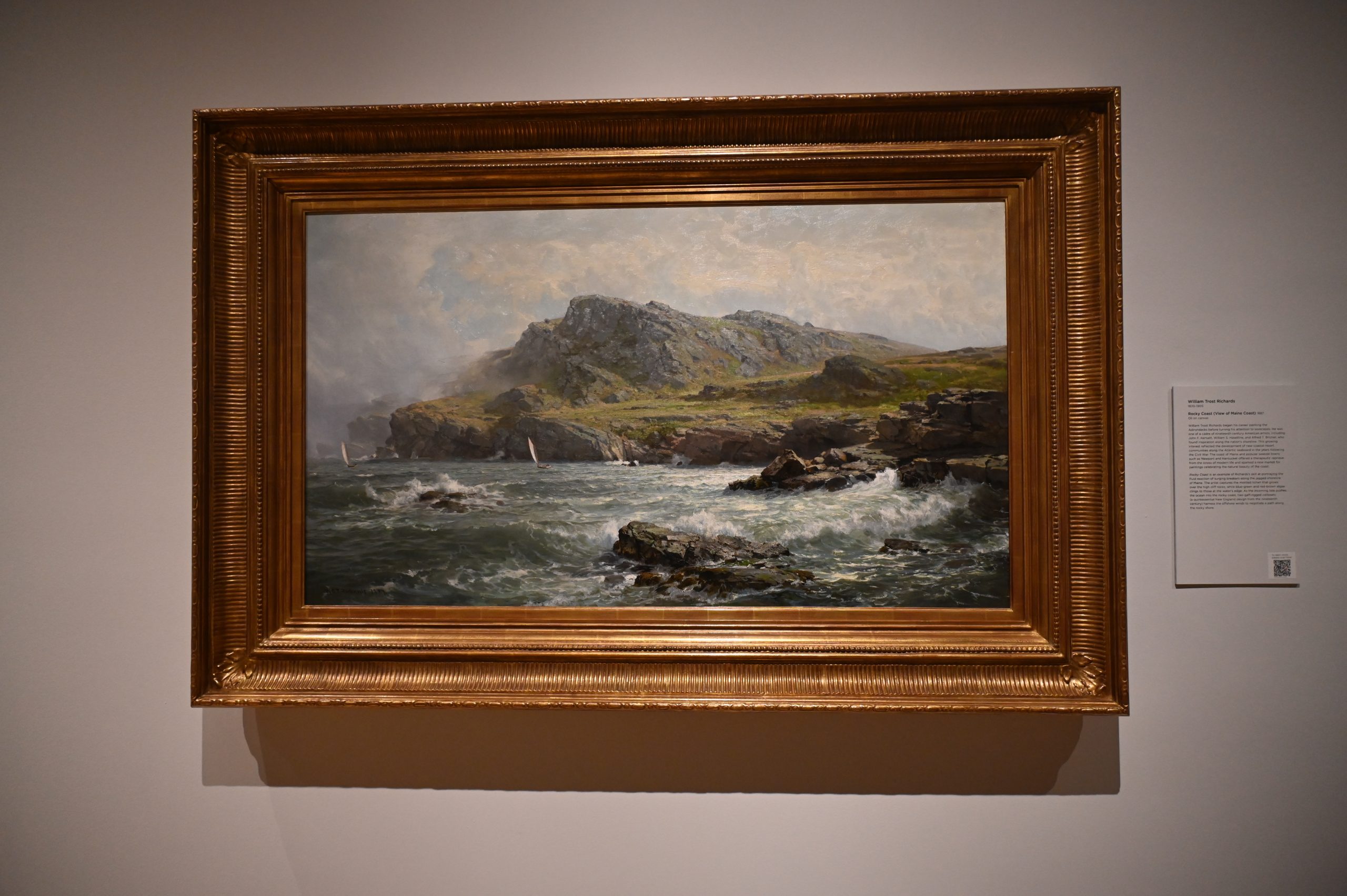
    The third piece of art (refer to image 3 below) by Thomas Hill, is an oil painting titled “Fishing on the Merced River”. Hill spent his early years of his career painting in the White Mountains of New Hampshire, but due to health issues, he relocated to the milder climate of San Francisco. The painting views are mainly dominated on the left by the vertical alley walls known as El Capitan and to the right, water cascades down, highlighting a surreal and vertically vast landscape. In order to emphasize the grandeur of the gorge, he locates a small Native American figure along the rocky banks of the river, which had once been home to a Miwok group known as the Ahwahnechee, who were forced off their ancestral home by the U.S. government in the nineteenth century. Therefore, this painting highlights a non-tourist filled river romanticized version of America’s natural spaces while also glossing on the displacement of their original inhabitants. This painting brings awareness to the amount of displaced tribes around the US by showing the peaceful life before the government took it.

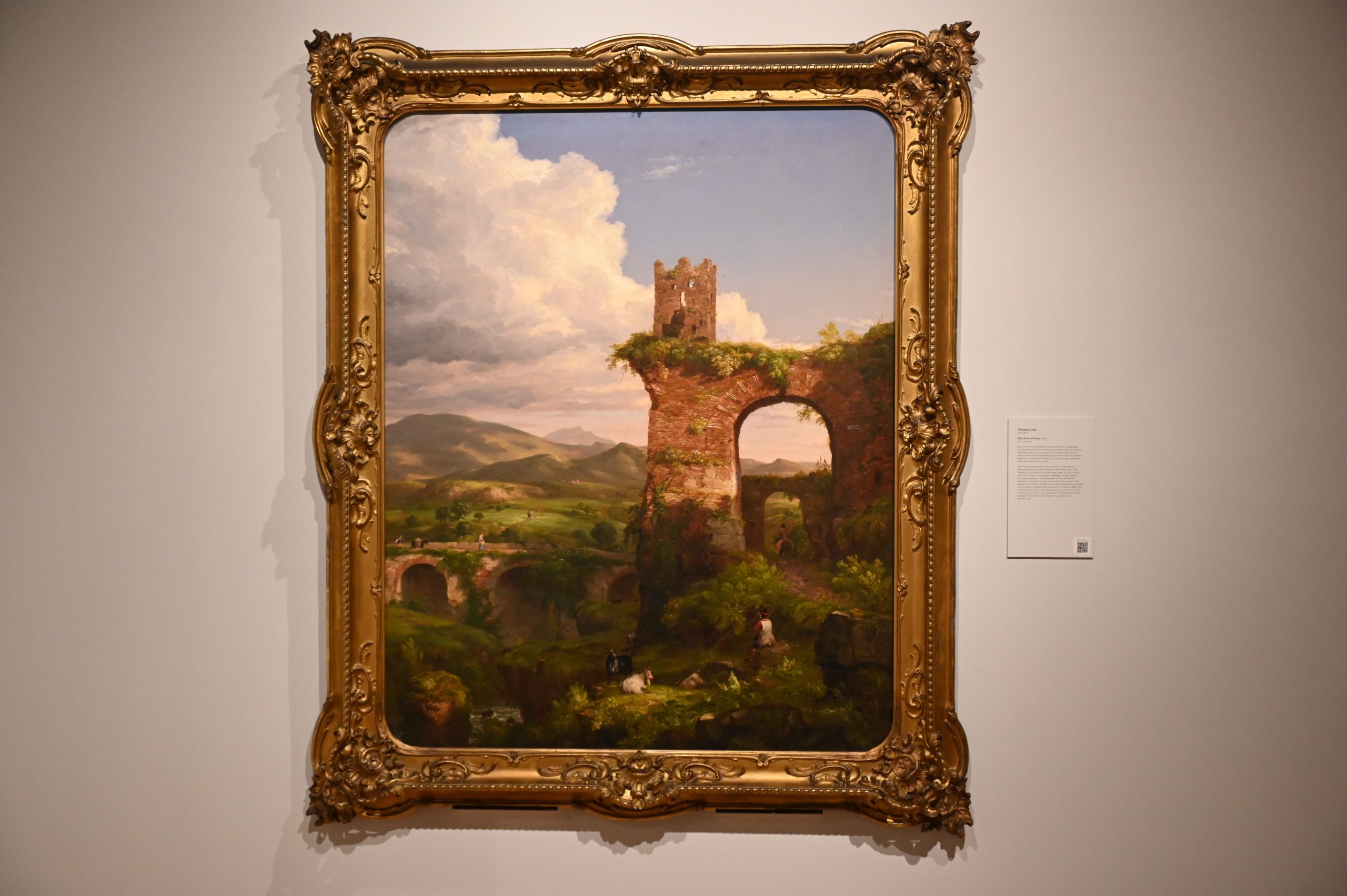
    The last painting is that of Thomas Cole (refer to image 4 below) named “The Arch of Nero”. He was well known and reputable for conveying the wilderness of the Americas, but his ambition was always higher. He believed that landscape paintings could not only capture the splendor of nature but carry a moral and emotional content and response from the viewer. He first encounters this arch, a remnant of an aqueduct from Rome. While on its surface, the arch is a romantic mediation on the fragility of human endeavors, it has a deeper meaning in that it highlights the power of nature and time as it decays the human made and makes way for the natural world.

    The art of art and every creation designed, created, and made to this day highlights its variability in that every artist has their own interpretation of their creation as well as a variety of motives. Their experience in an art also comes into play in that based on where they gained their knowledge from and who inspired them the most or were their mentors. Therefore, the successfulness of each artist is dependent on the viewer of an artwork. Nevertheless, the most special part of art is that in most cases, if not all, except when painting a portrait, the artist can do as they wish to paint a mountain or lake. They can add in their own hues of blue in an ocean and could create anything they imagine. Being successful in art is having the ability to put one's imagination and ideas onto a certain medium, whether it be on a canvas or through glass blowing.

    Ever since I was young, I’ve always been fascinated with art and growing up in a city like Savannah, Ga, there were many museums to go to and view art, specifically my favorite being the Jepson museum. Savannah College of Art and Design (SCAD) also plays a big role in Savannah’s infrastructure and is the heart of the downtown area as it has provided many opportunities across the city for the students to display their art. In relation to what I saw at the Mint museum, I got to witness glass sculpting on the island of Murano in Venice. Seeing how these artists meticulously perfected the craft through generations proves the resilience of art and how with it, also comes the memories of these skilled craftsmen. Being a first-handed witness to Maine’s majestic and powerful coastlines from the William Richards painting was an experience like no other. The way in which he pays close attention to the details on the water ripples gives the viewer a feeling of depth, as if they are viewing the painting as a whole from a rock on top of the coast. One can tell of the somber tone expressed through the darker, gloomier shades of paint where one can see the parallelism with that and the artists emotions. I find it interesting how the way in which paintings are situated affect the perspective of the viewer and because of this, I’ve noticed how a third person painting could feel less surreal than one from ground level. Or, on the other hand, It could give the person viewing it a sense of freedom, as if they are flying over the painting.
Image no.1: “Verdant Ceres”, Josh SimpsonImage no.2: “Rocky Coast”, William Trost RichardsImage no.3: “Fishing on the Merced River”, Thomas HillImage no.4: “Arch of Nero”, Thomas Cole