In my campus commentary, I will be talking about Silvana Toska’s emotional and inspiring academic presentation on honoring the women of Iran followed by a touching performance by an Iranian expert who remained unnamed.

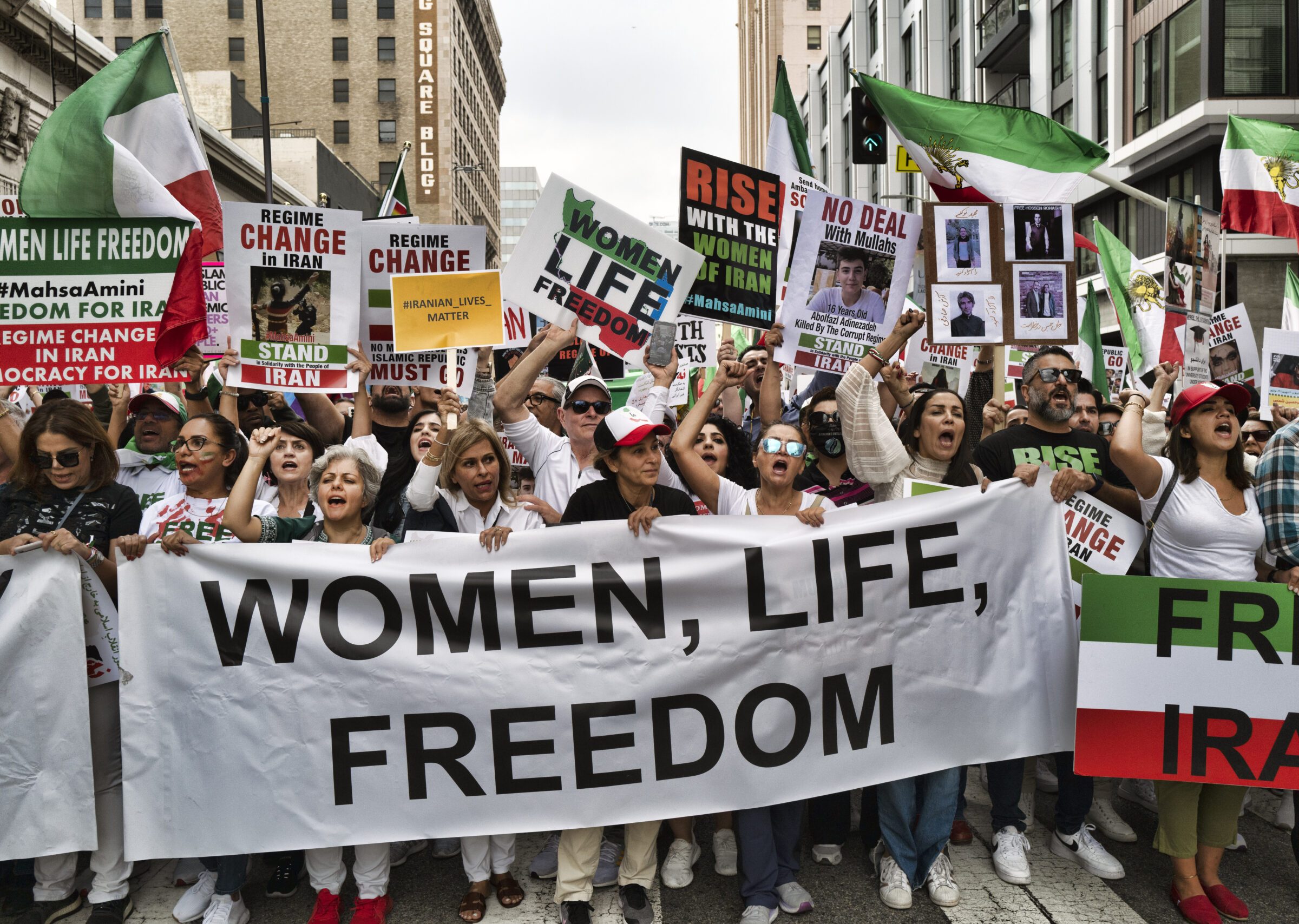
    On the 16th of September, 22-year old Zhina Amini, an Iranian woman, died from her head being brutally smashed over 20 times into a van by the morality police. What perpetuated this inhumane action? Her improper hijab, according to authorities. This instance was the breaking point for many Iranian inhabitants, especially women, which not only spurred anti-regime protests across the country, but gained global attention and support. With that, an Iranian Davidsonian, in tears, encouraged the audience to do all they can to boost the voices of these young women in Iran who are fighting for their lives and rights.

    Dr. Toska continued the presentation with the purpose of educating the audience about the history behind what made Iran what it is in the present. Post revolution, Khomeini’s 1979 Proclamation on Compulsory Hijab aimed to create a new and gendered citizenship, which was done through gender segregation and veiling of women. Many of which tried to protest against this unjust regulation, but were violently repressed which ended in their careers being ruined because of their activism. The Islamic Republic scrutinized and governed the movements and bodies of women, depicting them as separate from society, therefore depriving them of free will. Subsequently, through the hardships from the past and present, triggered even more strongly by Zhania’s passing, these cross-sectional and persistent protests to amend the regime have embedded hope amongst the Iranian people. Dr. Toska, along with the other special guests present in the auditorium, served as the voice of voiceless Iranian women.

    In the second segment, the expert, to crystalize and allow the audience to sympathize with the pain he, along with Iranian’s as a whole were feeling, performed three touching, tear-jerking compositions which effectively highlighted the fortitude, vitality, and perseverance embedded in the people. His use of the Santoor, an intricate 72 stringed instrument traditional to the Middle East in his second solo composition, transported the audience to his country. Without singing, he instead rapidly plucked the strings to create a moving masterpiece of sounds echoing throughout Hance to wholeheartedly express what words couldn’t through music. In the end, during the last piece, a percussion number with two dancers signifying their opposition to reform, the expert signaled the audience to clap in unity and chant their slogan: “Women, Life, Freedom”, leaving everyone with a powerful sense of compassion and understanding for Iranian women.

    Growing up reading countless newspaper articles about how repressive many middle eastern governments were and still are towards women, sparked a want to educate myself more on the matter. Unfortunately, though, there hasn’t been an instance to better delve and understand the struggles these women are going through, until this experience while at Davidson. It not only opened my eyes along with my peers’ as well, but helped to empathize with the speakers, which they hoped we did. It is very much energizing knowing that Iranian women are writing their current history with their blood since there hasn’t been many feminists movements like these across the middle east, especially with the Iranian youth protesting. People pouring out on the streets for regime change because they can’t take it anymore as well as not just denouncing the regime, but ritualistically burning their hijabs, demonstrates these women's willpower and ever-burning flames to execute an impactful change amongst the country. Now, with the world’s eyes on Iran, this battle for women’s rights over their bodies will not be disregarded for now that we, along with many others around the globe, are all in favor of doing all the possible to support and raise awareness for their freedom and voices to be heard. We are vibrant and the backbone of society and families, so no one should give the right to say that women are second class citizens. Iranian women are speaking with unity and carrying this torch towards a future for their right to have full control over their lives and for the world to stand with them through this new era of transformation with resilience.