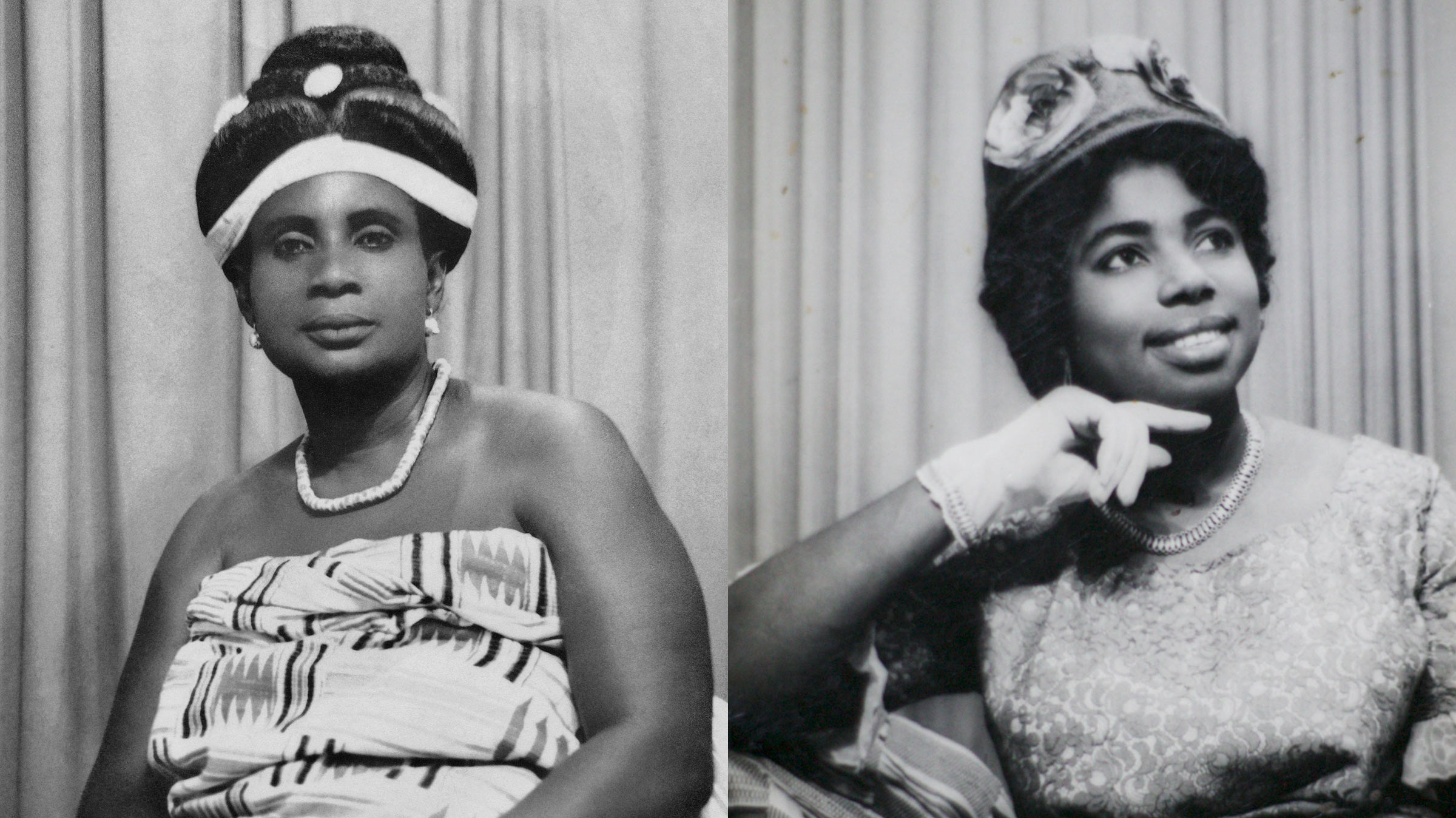
Fig 1. Felicia Abban, Self-portrait X, vintage silver print, © Felicia Abban Estate
     The way in which the complex concept of Modernism is viewed across multiple diasporas varies based on their interior and exterior influences. When we think of being modern, it is a social construct that refers to its cutting-edge characteristics. There are constantly new phenomena and ideologies arising from the old norms, which in this case, is fashion. Many worldwide, specifically focusing on Africa, experience such ambivalence of whether to conform to westernized fashion ideals to stay on track with the constantly ever-growing revamping and re-modernizing clothing trends. Therefore, Modernism has impacted the conceptual frameworks of Ghanaian women's fashion and how they express themselves in culture through time based on the various significances instilled precisely upon traditional kente cloth.

     The cloth and its aesthetic functions as a window of communication to the designated viewer and is layered in symbolism with gold as a symbol of serenity, yellow of fertility, the green of renewal, red of passion, blue of purity, and black as a union with ancestors promoting spiritual awareness and renewal. As a result of its circulations around Africa and Asia, kente cloth becomes one of the trade goods bound in the Atlantic slave trade and the 'modern' dress of the colonial period. Nevertheless, the concept of modernity itself is not simple, as Tsitsi Ella Jaji, an expert in African and African American cultural studies, revisits the term "modern."[1] She analyzes the complexities of what it means to be modern in a Westernized, colonized, and literate culture versus that of the traditional, vernacular, and oral, bringing to light "how these categories are always already blurred through movements of bodies, ideas, texts, and cultural scripts."[2] As a result, Modernism has been taken up as a self-conscious category and is now focused on how people enact the term and engage with it daily with a border lens. It both signals the state of the aesthetics of distinct cultures in the now based on the past and what is to come of their future components.

    Through dress, there are multiple ways in which power and motive are articulated and represented. It functions as a way to express oneself and communicate with other people without even having to talk to them. Additionally, it responds to the one that wears the clothing and makes the individual feel the way in which they desire to portray themselves amongst people around them or family members. In this case, Kente cloth is an example of what marks the individual in time and stays with them and traditional Ghanaian folklore. Since fashion can place people in various social categories, depending on what is worn can emit a specific statement to be out of step, in step, or future step. Nonetheless, the uprising of newly westernized fashion leaking into African countries for consumers to purchase has given a chance for kente cloth to become marketed as a traditional pan-African cloth. In turn, this emphasizes a signal not only of national unity but as a way of appropriation that allows changing the meaning of modernization into something else, which in this case, has altered the personal and social lives of the Ghanaians and Africans as a whole.

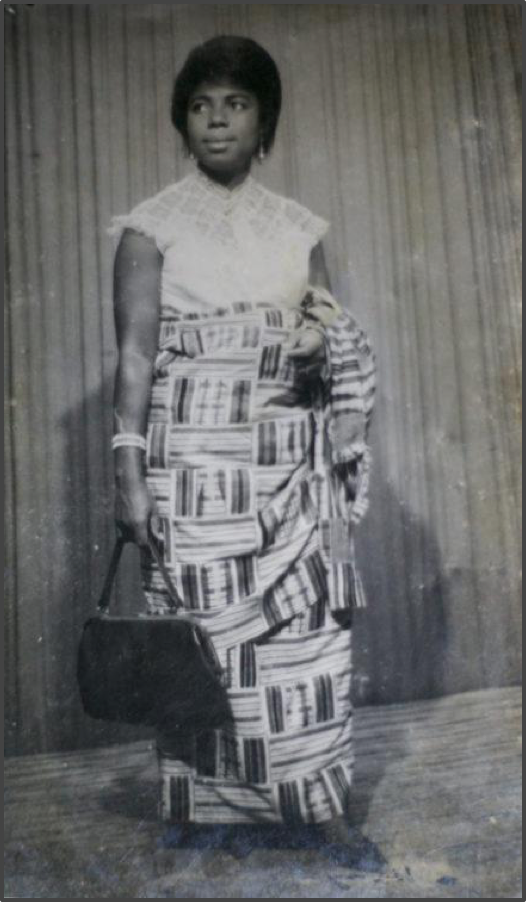
     Laurain Bowles, Ph.D., an expert on anthropology, points out in analyzing the discourse of cloth politics between her and Ghana's first women professional photographer Felicia Ansah Abban. Her photograph (fig 1)[3] encompasses both the blurring of traditional and modernistic feminine identity since clothing was the central expression of her identity and served as a method of a more peaceful approach towards cultural resistance and expression.[4] She uses photography as an outlet to raise awareness of the disconformity of colonial tendencies. Modernism interacts with pan-African fashion from fig 1 in that Abban's outfit represents a fusion of westernized culture with an emphasis on the kente cloth, which takes up the majority of what she is wearing. Her main motive for these studio photographs taken in the 1950s and 70s was to produce self-portraits before going out to political events. Therefore, her chosen ensemble of clothing would capture the vibrant aesthetics of Ghanaian colors while also taking a diplomatic stance by including a debutante-like conservatively light-colored blouse intended to capture the gaze of other political figures at these events with the potency and elegance of self-expression. Her purpose through these photographs is to infuse her past and present self and act as a subtle defense against extreme modernists who wish to discount and remove traditional Ghanaian vernacular based on the intricate patterns of kente cloth.

     Abban provides a potent stage for colonial relations between Africa to be contested and challenged in encapsulating the method of the temporality of the new with the protection of traditional kente cloth. She combines in her photographs, as Bowles says, "a feminine subjectivity in conversation with sentiments of Ghanaian nationalism alongside transnational aesthetics popularized through tropes of urban chic."[5] Through this, there seems to be a reach for the western as a cause of the globalization and urbanization of larger African cities, but preserving these traditional articles of clothing is relevant and directly related to preserving Ghanaian culture as well and not just through oral tradition, but in the physical present and future realm as well.

     Moreover, the cloth is composed and made by people, revealing specific characteristics about the person who created them, Abban, in her photography and public opinion. Furthermore, the bias created as a result reflects the conditions of the production of an artifact and the context in which it was produced, so Abban could be hiding an unknown story in her photography and based on her motives to do so that she would not want a larger crowd of politicians to know. This theory highlights the still ongoing conflict on how much pre-colonial culture is not only available to conserve but also how to perpetuate it in preventing it from dying off with the rise of growing continuing modernist influences. Fashion can be conformist, which gives leeway towards more pan-African activists going against the social norm to highlight the ambivalence of modernization in which the blurring of traditional clothing with westernized ones presents an evolving Ghanaian identity through style.

___________________________________________________________________

Bibliography

Bowles, Laurian R. "Dress Politics and Framing Self in Ghana: The Studio Photographs of Felicia Abban." African Arts 49, no. 4 (2016): 48-57. muse.jhu.edu/article/638846.

Jaji, Tsitsi Ella. Africa in Stereo : Modernism, Music, and Pan-African Solidarity. Oxford: Oxford University Press, Incorporated, 2014. Accessed February 6, 2023. ProQuest Ebook Central.

Tevie, Odile. “Felicia Abban.” AWARE Women artists / Femmes artistes. Archives of Women Artists, Research and Exhibitions. Accessed February 6, 2023. https://awarewomenartists.com/en/artiste/felicia-abban/.


[1] Jaji, Tsitsi Ella. Africa in Stereo : Modernism, Music, and Pan-African Solidarity. Oxford: Oxford University Press, Incorporated, 2014.

[2] Jaji, Tsitsi Ella. Africa in Stereo : Modernism, Music, and Pan-African Solidarity. Oxford: Oxford University Press, Incorporated, 2014.

[3] Tevie, Odile. “Felicia Abban.” AWARE Women artists / Femmes artistes. Archives of Women Artists, Research and Exhibitions.

[4] Bowles, Laurian R. "Dress Politics and Framing Self in Ghana: The Studio Photographs of Felicia Abban." African Arts 49, no. 4 (2016): 48-57. muse.jhu.edu/article/638846.

[5] Bowles, Laurian R. "Dress Politics and Framing Self in Ghana: The Studio Photographs of Felicia Abban." African Arts 49, no. 4 (2016): 48-57. muse.jhu.edu/article/638846.
